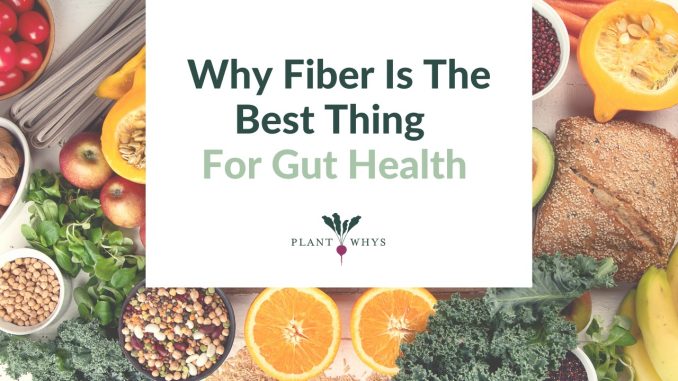
In the vast and often perplexing world of nutrition, certain nutrients receive significant attention, while others, equally critical, often fade into the background. Protein, for instance, frequently dominates discussions about muscle building and satiety, while vitamins and minerals are lauded for their role in preventing deficiencies. Yet, lurking in the quiet corners of our dietary awareness is a true unsung hero: **fiber**. Far from being just a simple aid for regularity, fiber is a powerhouse compound with far-reaching implications for our health, impacting everything from gut health and metabolic stability to disease prevention and even mental well-being. Its importance extends far beyond what most people typically perceive, serving as a fundamental pillar for long-term health and, by extension, sustained productivity and cognitive function in our demanding professional lives. Understanding fiber’s multifaceted role is not just about dietary compliance; it’s about unlocking a deeper level of physiological resilience.
When we talk about fiber, we are generally referring to a diverse group of carbohydrates that the human body cannot digest. Unlike fats, proteins, or other carbohydrates that are broken down and absorbed, fiber largely passes through our digestive system intact. This characteristic, far from making it inconsequential, is precisely what gives fiber its extraordinary power. It acts as a scrub brush, a bulking agent, and a fermentation substrate all at once. The simplicity of this definition often belies the profound complexity of its actions within our bodies. Most people might associate fiber solely with digestive regularity, and while it certainly excels in that role, preventing constipation and promoting healthy bowel movements, this is merely the superficial layer of its extensive benefits. The true magic of fiber unfolds as it interacts with the intricate ecosystem within our gut.
Indeed, the profound connection between fiber and our **gut microbiome** is arguably its most compelling story. Our intestines are home to trillions of microorganisms—bacteria, viruses, fungi—collectively known as the gut microbiota. This thriving community plays a critical role in our overall health, influencing our immune system, metabolism, and even our mood. Dietary fiber, particularly soluble fiber, acts as a primary food source for these beneficial gut bacteria. When these friendly microbes ferment fiber, they produce short-chain fatty acids (SCFAs) like butyrate, propionate, and acetate. These SCFAs are not just waste products; they are vital compounds that nourish the cells lining the colon, strengthen the gut barrier, reduce inflammation throughout the body, and even have systemic effects on metabolism and immune function. Consider a high-performing individual who frequently experiences digestive discomfort or energy slumps; insufficient fiber intake could be starving their beneficial gut bacteria, leading to a cascade of negative effects that subtly undermine their ability to perform at their peak.
Beyond its crucial role in gut health, fiber exerts significant influence over our **metabolic health**. In the context of business, where sustained energy and focus are paramount, stable blood sugar levels are non-negotiable. Soluble fiber, found in foods like oats, apples, beans, and psyllium, forms a gel-like substance when mixed with water. This gel slows down the absorption of glucose (sugar) into the bloodstream, preventing the rapid spikes and subsequent crashes that can lead to energy dips, irritability, and difficulty concentrating. This steady release of energy is invaluable for maintaining mental acuity throughout a long workday, avoiding that mid-afternoon slump that often prompts a grab for sugary snacks. Furthermore, fiber also helps in managing cholesterol levels by binding with cholesterol particles in the digestive tract and facilitating their excretion, thereby contributing to cardiovascular health—a vital long-term investment for any busy professional.
Moreover, fiber plays a pivotal role in **weight management** and **satiety**. In a world grappling with rising obesity rates, the simple act of consuming adequate fiber can be a powerful ally. Fiber adds bulk to meals without adding significant calories, helping us feel fuller for longer. This increased satiety naturally reduces overall calorie intake and minimizes the urge for unhealthy snacking between meals. Imagine a manager who is constantly battling cravings and finding themselves less productive after an energy-dense, low-fiber lunch. Switching to fiber-rich options like a whole-grain salad with legumes or a hearty vegetable soup could lead to sustained fullness, allowing them to remain focused on complex tasks rather than being distracted by hunger pangs. This isn’t about restrictive dieting; it’s about empowering the body to naturally regulate its appetite through smart food choices.
Finally, the protective effects of fiber extend to **chronic disease prevention**. Numerous studies have consistently linked higher fiber intake to a reduced risk of various conditions, including type 2 diabetes, heart disease, and certain types of cancer, particularly colorectal cancer. This is partly due to fiber’s role in blood sugar control, cholesterol reduction, inflammation modulation, and its ability to promote a healthy gut environment that inhibits the growth of harmful bacteria. For any individual invested in their long-term health and professional longevity, embracing fiber-rich foods is a proactive step that pays dividends well into the future. From whole grains and fruits to vegetables, legumes, and nuts, integrating these dietary staples into every meal is not just a recommendation; it’s a strategic imperative for a healthier, more resilient, and ultimately, more successful life. The unassuming nature of fiber belies its monumental impact, making it an indispensable component of optimal health that is, indeed, far more important than most people think.