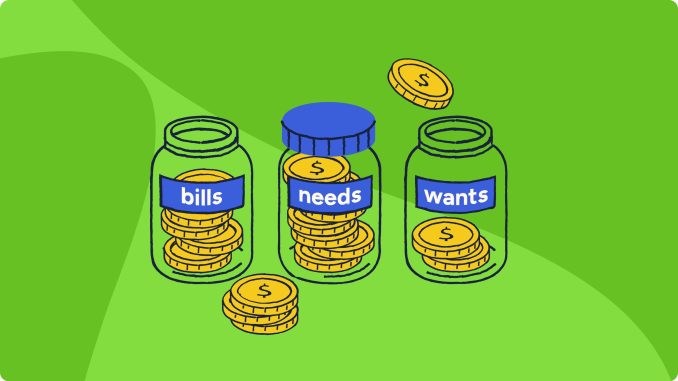
Giving every dollar a job is one of the most effective ways to take control of your financial life. It’s a principle rooted in intentionality—making sure that every unit of currency you earn is assigned a specific purpose, whether that’s covering essentials, building savings, paying down debt, or funding future goals. This approach transforms money from something that simply flows in and out of your account into a tool that works for you. It’s not about restriction or rigidity; it’s about clarity and empowerment. When you know where your money is going and why, you make decisions with confidence and reduce the stress that often accompanies financial uncertainty.
The idea of assigning a job to every dollar is especially powerful because it shifts the focus from passive tracking to active planning. Traditional budgeting often involves looking back at what you spent and trying to adjust behavior retroactively. But when you give each dollar a role before it’s spent, you’re proactively shaping your financial future. This mindset encourages you to think in terms of priorities and trade-offs. For example, if you’ve earmarked a portion of your income for travel, you’re less likely to let that money drift into impulse purchases. It’s not just about discipline—it’s about aligning your spending with your values.
This approach also helps eliminate the ambiguity that can lead to financial drift. Without a clear plan, money tends to disappear into the cracks of everyday life. A coffee here, a subscription there, a spontaneous dinner out—it all adds up, often without much thought. But when every dollar has a job, even small amounts are accounted for. That doesn’t mean you can’t enjoy those things; it means you’ve planned for them. You’ve decided that a certain amount of your income will go toward lifestyle expenses, and you’ve done so consciously. That kind of intentionality fosters a sense of control and reduces guilt around spending.
In business, the same principle applies. Companies that assign every dollar a job—whether it’s for operations, marketing, development, or reserves—tend to manage resources more effectively. They’re able to forecast, adapt, and invest with greater precision. This kind of financial clarity supports strategic growth and minimizes waste. It also builds trust among stakeholders, who can see that the organization is making thoughtful decisions with its capital. Whether in a household or a boardroom, the practice of giving money a purpose leads to better outcomes.
Another benefit of this approach is that it makes financial goals more tangible. Saving for retirement, building an emergency fund, or paying off a loan can feel abstract without a clear plan. But when you allocate specific dollars toward those goals, they become real. You can track progress, celebrate milestones, and stay motivated. It’s the difference between saying “I want to save more” and saying “I’m putting $300 a month into my retirement account.” The latter is actionable and measurable, which makes it far more effective.
This method also encourages flexibility. Life is unpredictable, and financial plans need to adapt. When you’ve assigned jobs to your dollars, it’s easier to reallocate them when circumstances change. If an unexpected expense arises, you can look at your budget and decide which jobs can be postponed or adjusted. This kind of responsiveness is much harder to achieve when money is unassigned and scattered. It’s not about having a rigid system—it’s about having a responsive one.
Technology can support this mindset, but it’s not a substitute for it. Budgeting apps and financial tools can help you track and allocate funds, but the real power lies in the intention behind the numbers. You have to decide what matters to you and assign your dollars accordingly. That might mean prioritizing debt repayment, investing in education, or setting aside money for experiences. The tools can help you execute the plan, but the vision has to come from you.
Giving every dollar a job also fosters accountability. When you’ve made a plan, it’s easier to evaluate your choices. Did you stick to your allocations? Did you overspend in one area and underfund another? These insights help you refine your approach and improve over time. It’s not about perfection—it’s about progress. Each month becomes an opportunity to learn, adjust, and move closer to your goals.
Ultimately, this practice is about respect—for your money, your goals, and yourself. It’s about recognizing that every dollar has potential and that you have the power to direct it. It’s about making choices that reflect your values and support your vision for the future. Whether you’re managing a household budget or leading a business, giving every dollar a job is a simple yet profound way to build financial clarity and confidence. It turns money from a source of stress into a source of strength, and that shift can make all the difference.