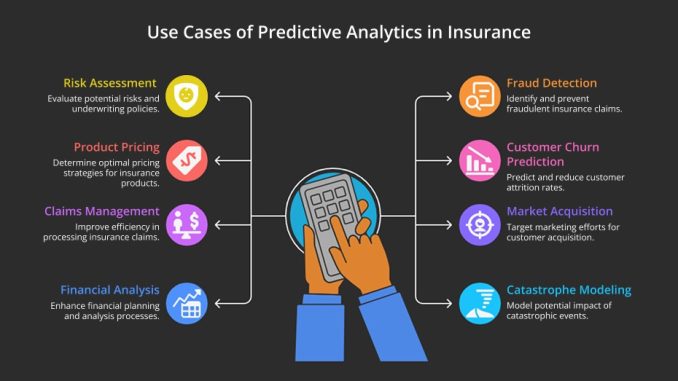
Predictive analytics is rapidly reshaping the insurance industry, ushering in a future where data-driven insights are not just supplementary tools but central to how insurers assess risk, price policies, and engage with customers. Traditionally, insurance has relied on historical data and actuarial models to make decisions. While effective, these methods often fall short in capturing the nuances of emerging risks and rapidly changing consumer behaviors. Predictive analytics, powered by advanced algorithms and machine learning, offers a more dynamic approach—one that anticipates rather than reacts, and personalizes rather than generalizes.
At its core, predictive analytics involves analyzing current and historical data to forecast future outcomes. In insurance, this means using vast datasets—from claims history and demographic information to behavioral patterns and external variables like weather or economic indicators—to predict the likelihood of events such as accidents, illnesses, or property damage. The result is a more refined understanding of risk, which allows insurers to tailor coverage, streamline underwriting, and improve loss prevention strategies. For example, auto insurers can use telematics data to monitor driving habits in real time, rewarding safe drivers with lower premiums and flagging risky behavior before it leads to a claim.
The implications for underwriting are profound. Instead of relying solely on broad categories like age or zip code, insurers can assess individual risk profiles with greater precision. This shift enables more accurate pricing and reduces adverse selection, where high-risk individuals disproportionately purchase coverage. It also opens the door to insuring previously underserved populations. For instance, gig economy workers or individuals with nontraditional employment histories may not fit neatly into legacy underwriting models, but predictive analytics can evaluate their risk based on alternative data sources, making coverage more inclusive and equitable.
Claims management is another area where predictive analytics is making a significant impact. By analyzing patterns in claims data, insurers can identify potential fraud, expedite legitimate claims, and allocate resources more efficiently. Machine learning models can flag anomalies that suggest fraudulent activity, such as inconsistencies in medical billing or unusual timing of claims. At the same time, predictive tools can help prioritize claims that are likely to escalate, allowing adjusters to intervene early and mitigate costs. This dual capability—detecting fraud while enhancing service—demonstrates how predictive analytics can balance operational efficiency with customer satisfaction.
Customer engagement is also evolving through predictive analytics. Insurers can use data to anticipate customer needs, personalize communication, and offer relevant products at the right time. For example, a policyholder who recently purchased a home might receive targeted offers for homeowners insurance, bundled with coverage for valuables or liability. Similarly, predictive models can identify when a customer is likely to lapse or switch providers, prompting proactive outreach to retain their business. These insights transform the customer experience from transactional to relational, fostering loyalty and trust in an industry often perceived as impersonal.
The integration of external data sources further enhances predictive capabilities. Weather data, social media activity, economic trends, and even satellite imagery can be incorporated into models to provide context and depth. For instance, property insurers can use satellite data to assess roof conditions or vegetation density, helping predict fire risk more accurately than traditional inspections. Health insurers might analyze wearable device data to monitor activity levels and offer wellness incentives. These applications not only improve risk assessment but also encourage preventive behaviors, aligning insurer and policyholder interests.
However, the rise of predictive analytics also brings challenges. Data privacy and ethical considerations are paramount. Insurers must ensure that data is collected and used responsibly, with transparency and consent. Bias in algorithms is another concern, as models trained on historical data may inadvertently perpetuate inequalities. Addressing these issues requires rigorous oversight, diverse datasets, and ongoing evaluation of model performance. Regulatory frameworks will need to evolve in tandem, balancing innovation with consumer protection.
Technology infrastructure is another critical factor. Implementing predictive analytics requires robust data management systems, skilled personnel, and a culture of continuous learning. Insurers must invest not only in tools but in talent—data scientists, actuaries, and business analysts who can interpret insights and translate them into actionable strategies. Collaboration across departments is essential, as predictive analytics touches every aspect of the business, from product development to customer service.
Looking ahead, the future of predictive analytics in insurance is one of deeper integration and broader application. As models become more sophisticated and data more abundant, insurers will be able to anticipate risks with unprecedented accuracy. This will lead to more personalized products, faster claims resolution, and proactive risk management. It will also redefine the role of insurance—from a reactive safety net to a proactive partner in financial and personal well-being. The companies that embrace this transformation will not only gain a competitive edge but also help shape a more responsive, inclusive, and resilient insurance landscape.
In essence, predictive analytics is not just a technological advancement—it’s a strategic evolution. It empowers insurers to move beyond assumptions and averages, toward a future where decisions are informed, interactions are meaningful, and protection is truly personalized. As the industry continues to adapt, the ability to harness data intelligently will be a defining factor in delivering value, building trust, and navigating the complexities of a changing world.