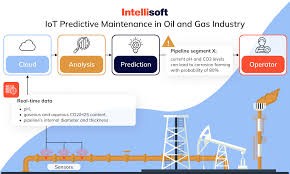
Predictive maintenance powered by the Internet of Things is reshaping how businesses manage their assets, optimize operations, and reduce downtime. Traditionally, maintenance strategies have relied on either reactive approaches—fixing equipment after it fails—or scheduled routines that may not align with actual wear and tear. Both methods carry risks and inefficiencies. Reactive maintenance can lead to costly disruptions, while scheduled maintenance might result in unnecessary interventions. Predictive maintenance, enabled by IoT, offers a smarter alternative by using real-time data to anticipate issues before they occur, allowing organizations to act with precision and foresight.
At the heart of predictive maintenance is the ability to monitor equipment continuously through connected sensors. These sensors collect data on temperature, vibration, pressure, and other performance indicators, transmitting it to centralized systems for analysis. When anomalies or patterns suggest that a component is likely to fail, alerts are generated, prompting timely intervention. This proactive approach minimizes unplanned downtime and extends the lifespan of assets. For example, a manufacturing plant using IoT sensors on its conveyor belts can detect subtle changes in motor vibration that precede mechanical failure. Maintenance teams can then replace or repair the part before it disrupts production, saving time and avoiding revenue loss.
The financial benefits of predictive maintenance are significant. By addressing issues before they escalate, companies can reduce repair costs, avoid emergency service fees, and optimize inventory management. Spare parts can be ordered based on actual need rather than estimates, and labor can be scheduled more efficiently. Over time, these savings compound, contributing to a healthier bottom line. In industries where equipment is capital-intensive—such as aviation, energy, or transportation—the ability to prevent failures can translate into millions of dollars in preserved value and operational continuity.
Beyond cost savings, predictive maintenance enhances safety and compliance. Equipment failures can pose serious risks to workers and the environment, especially in sectors like oil and gas or chemical processing. IoT-enabled monitoring helps identify hazardous conditions early, allowing for corrective action before accidents occur. This not only protects personnel but also ensures adherence to regulatory standards. For instance, a utility company might use IoT sensors to monitor the integrity of pipelines, detecting pressure drops or corrosion that could indicate a leak. Addressing these issues proactively helps maintain compliance and avoid penalties or reputational damage.
Operational efficiency is another area where predictive maintenance delivers value. When equipment runs reliably, production schedules are more predictable, and resource allocation becomes more effective. Teams can focus on strategic tasks rather than firefighting, and workflows are less likely to be interrupted. This stability supports better planning and improves customer satisfaction, as products and services are delivered on time. In logistics, for example, fleet operators can use IoT data to monitor vehicle health, scheduling maintenance during off-peak hours and avoiding delays in delivery. The result is a smoother, more resilient supply chain.
The integration of predictive maintenance with IoT also supports sustainability goals. By optimizing equipment usage and reducing waste, organizations can lower their environmental footprint. Fewer breakdowns mean less energy consumption, fewer replacement parts, and reduced emissions from emergency repairs or idle machinery. In agriculture, smart irrigation systems equipped with IoT sensors can monitor pump performance and soil conditions, ensuring that water is used efficiently and that equipment is maintained only when necessary. These practices contribute to more responsible resource management and align with broader ESG initiatives.
Implementing predictive maintenance requires a thoughtful strategy. It’s not just about installing sensors—it involves selecting the right metrics, building robust data infrastructure, and developing analytics capabilities. Machine learning algorithms play a key role in identifying patterns and predicting failures, but they must be trained on high-quality data. Collaboration between IT and operations teams is essential to ensure that insights are actionable and that maintenance processes are aligned with business objectives. Companies must also consider cybersecurity, as connected devices can introduce vulnerabilities if not properly secured.
Scalability is another consideration. As organizations expand their use of IoT across facilities or geographies, they need platforms that can handle increasing volumes of data and support diverse asset types. Cloud-based solutions offer flexibility and accessibility, allowing teams to monitor equipment remotely and share insights across departments. Integration with enterprise systems such as ERP or CMMS ensures that predictive maintenance is embedded into broader operational workflows. This holistic approach enables organizations to move from isolated pilots to enterprise-wide transformation.
Ultimately, the benefits of predictive maintenance with IoT extend beyond technology—they reflect a shift in mindset. It’s about moving from reactive to proactive, from guesswork to data-driven decision-making. It empowers organizations to take control of their assets, reduce uncertainty, and deliver consistent value. As IoT continues to evolve, the possibilities for predictive maintenance will expand, offering even greater precision, automation, and insight. For tech leaders and business strategists, embracing this approach is not just a matter of efficiency—it’s a step toward building smarter, safer, and more sustainable operations.