Spending long hours at a desk can take a toll on your body, even if the work itself is mentally engaging. The human body simply wasn’t designed to sit in one position for extended periods, and over time, this sedentary routine can lead to stiffness, discomfort, and even chronic pain. Fortunately, incorporating quick stretches into your day can make a significant difference. These simple movements don’t require special equipment or a gym membership, and they can be done right at your workstation. The goal isn’t to break a sweat but to restore circulation, release tension, and improve posture—all of which contribute to better focus and overall well-being.
One of the most common complaints among desk workers is neck and shoulder tension. Hours of leaning forward to read a screen or hunching over a keyboard can cause muscles in the upper back and neck to tighten. A gentle neck stretch, where you slowly tilt your head from side to side or forward and backward, can help alleviate this tension. Holding each position for a few seconds allows the muscles to relax and lengthen. Similarly, rolling your shoulders forward and backward in slow, controlled circles can release built-up stress and improve mobility. These movements are subtle enough to do during a conference call or while reading emails, yet they offer noticeable relief.
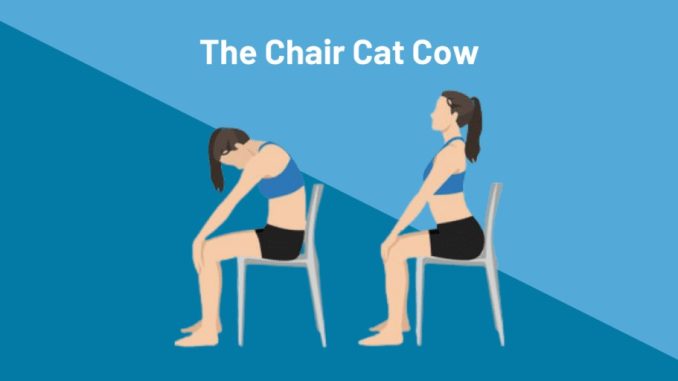
The spine also suffers from prolonged sitting, especially if your posture tends to slump. Stretching the back can counteract this compression and restore alignment. One effective method is to reach both arms overhead and gently lean to each side, creating a lateral stretch that opens up the torso and engages the core. Another option is to clasp your hands behind your back and lift them slightly while opening your chest. This movement encourages the shoulders to roll back and down, reversing the forward posture that often develops during desk work. These stretches not only feel good but also reinforce better posture habits, which can reduce fatigue and improve breathing.
Lower body stiffness is another issue that arises from sitting too long. The hips, hamstrings, and calves can become tight, leading to discomfort and reduced mobility. A seated hamstring stretch, where you extend one leg forward and reach toward your toes, can help lengthen the muscles along the back of the leg. Standing up periodically to do a gentle quad stretch—by pulling one foot toward your glutes—can also be beneficial. Even simple movements like ankle rolls or standing calf raises can stimulate circulation and prevent stiffness. These stretches are especially important for those who experience swelling or discomfort in the legs after long periods of inactivity.
Incorporating these stretches into your daily routine doesn’t require a formal schedule. The key is to build awareness and respond to your body’s signals. If you notice tension building or your focus waning, take a moment to move. Even a few minutes of stretching can reset your energy and improve your mood. Over time, these micro-breaks become a natural part of your workflow, enhancing both physical comfort and productivity. For example, you might stretch while waiting for a file to download or during a brief pause between meetings. These moments of movement serve as a reset, helping you return to your tasks with renewed clarity.
Beyond the physical benefits, desk stretches also offer a mental reprieve. The act of stepping away from your screen, even briefly, allows your mind to decompress. This can lead to greater creativity, sharper problem-solving, and reduced stress. In high-pressure environments, where deadlines and demands are constant, these small breaks can be a form of self-care. They remind you to breathe, to check in with your body, and to prioritize wellness amid the hustle. In this way, stretching becomes more than a physical exercise—it becomes a mindfulness practice that supports holistic health.
Creating a workspace that encourages movement can further support this habit. An adjustable chair, a standing desk, or even a small cushion for lumbar support can make stretching more accessible and effective. While these tools aren’t necessary, they can enhance comfort and make it easier to maintain good posture throughout the day. Employers who recognize the value of movement in the workplace may even encourage stretching breaks or provide wellness resources. In remote work settings, individuals have even more freedom to integrate movement into their routines, whether through scheduled stretch sessions or spontaneous moments of relief.
Ultimately, quick stretches at your desk are a simple yet powerful way to care for your body and mind. They require minimal effort but offer substantial rewards, from reduced pain to improved concentration. In a business context, where performance and well-being are closely linked, these small acts of self-maintenance can have a ripple effect. They foster a culture of awareness, resilience, and balance—qualities that benefit not only the individual but the organization as a whole. By making movement a regular part of your day, you invest in your long-term health and create a more sustainable approach to work.