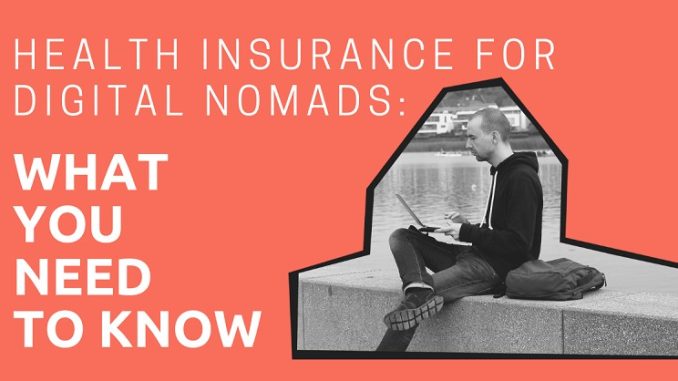
The rise of digital nomadism has transformed the way people work and live. With just a laptop and a reliable internet connection, professionals can now build careers while exploring the world. From Bali to Barcelona, the freedom to choose your environment has become a defining feature of modern work culture. But while the lifestyle offers flexibility and adventure, it also introduces unique risks that traditional insurance policies may not fully address. For digital nomads, understanding how insurance fits into this mobile way of life is essential for staying protected and maintaining peace of mind.
One of the most pressing concerns for digital nomads is health coverage. Unlike employees who benefit from employer-sponsored plans or residents who rely on national healthcare systems, nomads often find themselves in a gray area. Traveling across borders means navigating different healthcare standards, costs, and access points. A minor illness in one country might be easily treated, while the same condition elsewhere could lead to a costly hospital stay. International health insurance tailored for long-term travelers can help bridge this gap. These plans typically offer coverage across multiple countries, including emergency care, outpatient services, and sometimes even routine checkups. The key is to choose a policy that aligns with your travel habits and includes coverage in the regions you frequent most.
Emergency medical evacuation is another critical component that digital nomads should consider. While it’s not something anyone wants to think about, the reality is that serious medical issues may require transport to a facility with better resources or even repatriation to your home country. Without insurance, these services can be prohibitively expensive. A well-designed policy ensures that if the worst happens, you won’t be left scrambling to cover tens of thousands of dollars in evacuation costs. It’s a safeguard that allows you to travel with confidence, knowing that you have a plan in place for unexpected emergencies.
Beyond health, property protection is a concern for nomads who rely heavily on their gear. Laptops, smartphones, cameras, and other tech tools are not just personal items—they’re the backbone of your livelihood. Losing or damaging them can disrupt work and lead to significant expenses. While some travel insurance policies include coverage for personal belongings, it’s important to read the fine print. Many have limits on electronics or require specific documentation to process claims. In some cases, separate coverage for valuable items may be necessary. Ensuring that your tools are protected allows you to focus on your work without worrying about the financial fallout of theft or accidents.
Liability insurance is another area that’s often overlooked but increasingly relevant. Digital nomads who provide services—whether consulting, design, coaching, or writing—can be held accountable for errors, omissions, or perceived harm. A client might claim that your advice led to financial loss, or that your work didn’t meet agreed-upon standards. Professional liability insurance helps cover legal costs and settlements, protecting both your finances and your reputation. Even if you’re working remotely, your responsibilities and risks remain real. Having coverage in place shows professionalism and ensures that you’re prepared for potential disputes.
Travel insurance also plays a role, though it’s important to distinguish between short-term and long-term needs. Many standard travel insurance policies are designed for vacations or brief trips, not for continuous movement across countries. They may offer trip cancellation, lost luggage, or emergency medical coverage, but they often expire after a set period. For digital nomads, more comprehensive plans are available that cater to extended travel and remote work. These policies can include coverage for flight delays, political evacuation, and even personal liability. Choosing a provider that understands the digital nomad lifestyle can make a significant difference in the quality and relevance of your coverage.
Legal and regulatory considerations also come into play. Some countries require proof of insurance for entry or long-term stays, especially if you’re applying for a digital nomad visa. Having the right documentation not only facilitates smoother travel but also ensures compliance with local laws. Additionally, some insurance providers offer support services, such as access to multilingual customer service or help navigating foreign healthcare systems. These extras can be invaluable when you’re dealing with unfamiliar environments and trying to resolve issues from afar.
As the digital nomad community grows, so does the ecosystem of services designed to support it. Insurance providers are beginning to recognize the unique needs of this group and are offering more flexible, customizable plans. Still, it’s up to each individual to assess their risks and choose coverage that fits their lifestyle. Factors like travel frequency, destination choices, type of work, and personal health all influence what kind of insurance is appropriate. It’s not a one-size-fits-all decision, and taking the time to research and compare options is well worth the effort.
Ultimately, insurance for digital nomads is about more than just ticking a box—it’s about creating a safety net that allows you to embrace the freedom of remote work without unnecessary worry. It’s easy to get caught up in the excitement of new destinations and flexible schedules, but the reality is that life on the road comes with unpredictability. Insurance helps manage that uncertainty, providing support when things don’t go as planned. Whether it’s a medical emergency, a lost laptop, or a legal dispute, having coverage in place means you can keep moving forward. For digital nomads, that kind of security isn’t just helpful—it’s essential.