In the dynamic world of business, where demands are constant and schedules are often unpredictable, maintaining optimal health can feel like yet another item on an already overwhelming to-do list. Among the myriad aspects of wellness, **portion control** frequently emerges as a significant hurdle, often evoking feelings of deprivation, meticulous counting, and even stress. The very phrase can conjure images of tiny, unsatisfying meals, leading many to dismiss it as an unsustainable or unenjoyable approach to eating. However, mastering portion control doesn’t have to be a source of anxiety or a rigid exercise in culinary mathematics. Instead, it can be reframed as an empowering skill, a mindful practice that leads to greater energy, improved focus, and sustained well-being without the accompanying stress. This isn’t about dieting; it’s about cultivating a more intuitive and balanced relationship with food, a vital asset for anyone navigating the rigors of professional life.
The conventional perception of portion control often involves strict measuring cups and food scales, a method that, while precise, can quickly become tedious and impractical for busy professionals. Imagine trying to meticulously weigh out ingredients during a quick lunch break or at a networking event. Such rigidity inevitably leads to frustration and abandonment. The key to stress-free portion control lies in shifting from an external, rule-based approach to an internal, awareness-driven one. It’s about learning to listen to your body’s natural hunger and fullness cues, rather than relying solely on external indicators. This intuitive eating philosophy empowers individuals to make choices that align with their physical needs, fostering a sense of control and confidence rather than restriction.
One of the most effective strategies for mastering portion control without stress is to **re-engage with your body’s natural signals**. In our fast-paced culture, where meals are often eaten on the go or while distracted by screens, we tend to disconnect from these fundamental cues. Begin by slowing down your eating. This isn’t just about eating slower; it’s about being present with your food. Take smaller bites, chew thoroughly, and pause between mouthfuls. Notice the textures, the flavors, and how your body feels as you eat. Ask yourself, “Am I still truly hungry, or am I just eating because the food is there?” This mindful approach allows your brain the necessary time—typically around 20 minutes—to register satiety, preventing you from overeating simply because you’re consuming food too quickly to recognize fullness. A sales professional, for example, might find that by consciously taking a 20-minute, device-free lunch break, they not only digest better but also consume a more appropriate amount of food, leaving them energized rather than sluggish for their afternoon calls.
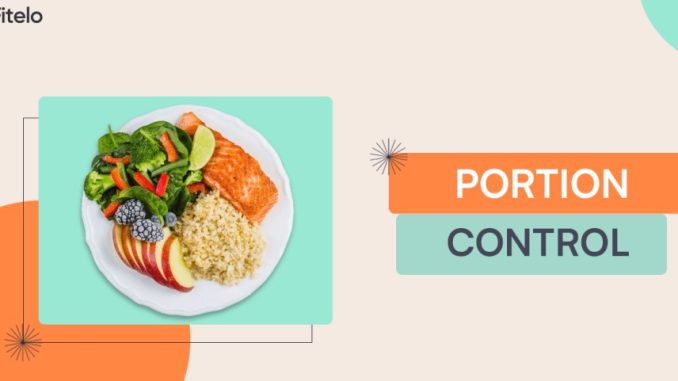
Another practical, low-stress technique involves **visual cues and mindful plating**. Our eyes often play a significant role in determining how much we perceive we *should* eat. Using smaller plates and bowls can visually trick the brain into thinking you have a larger, more satisfying portion, even if the actual volume of food is less. Similarly, arranging your plate thoughtfully, with a generous portion of vegetables filling half the plate, a lean protein occupying a quarter, and complex carbohydrates the remaining quarter, can naturally guide you towards balanced and appropriate portion sizes without the need for precise measurements. This method allows for flexibility and variety, making healthy eating feel less like a chore and more like an art form. Consider a team leader preparing a quick dinner after a long day; by intuitively filling half their plate with colorful stir-fried vegetables, they are already on their way to a well-portioned, nutrient-dense meal without ever pulling out a measuring cup.
Furthermore, **prioritizing nutrient density** over sheer volume is a powerful, stress-reducing strategy. When our meals are packed with fiber, lean protein, and healthy fats, they naturally promote satiety and keep us feeling fuller for longer, reducing the urge to overeat. Think about the difference between a bowl of highly processed cereal versus a bowl of oatmeal with berries and nuts. While both might seem like breakfast, the latter’s fiber and protein content will likely keep you satisfied for hours, whereas the former might leave you hungry again quickly. By focusing on whole, unprocessed foods, you naturally reduce the likelihood of consuming excessive calories, making portion control less about restriction and more about nourishing your body effectively. This approach empowers you to make food choices that support sustained energy and mental clarity, vital for navigating the complexities of business.
Finally, mastering portion control without stress involves **cultivating a compassionate and patient mindset**. There will be days when you overeat, or moments when you feel off-track. The key is to avoid self-criticism and judgment. Instead, view these instances as learning opportunities. What triggered the overeating? Was it stress, fatigue, or emotional eating? Understanding these patterns allows you to address the root cause rather than simply focusing on the symptom. Every meal is a fresh opportunity to reconnect with your body and make choices that serve your well-being. By embracing flexibility, practicing mindfulness, utilizing visual cues, prioritizing nutrient density, and approaching the journey with self-compassion, mastering portion control transforms from a dreaded task into an empowering skill—one that contributes significantly to a more vibrant, energetic, and successful professional and personal life. It’s about feeding your body wisely, not just filling it, and that distinction makes all the difference.