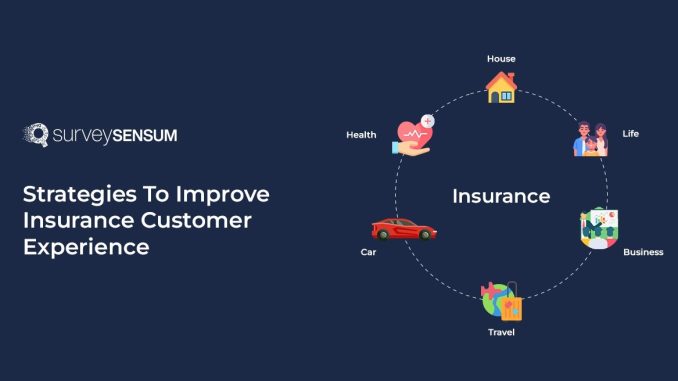
Insurance often carries a reputation for being dry, complicated, and distant from everyday life. For many people, it feels like a necessary evil—something you pay for but hope never to use. Yet at its core, insurance is deeply personal. It’s about protecting what matters most, whether that’s a home, a business, a loved one, or a future plan. Making insurance feel more relatable starts with reframing the conversation. Instead of focusing on policies and premiums, the emphasis should be on stories, values, and the real-life moments where insurance makes a difference. When people see how insurance connects to their own experiences, it becomes less of a transaction and more of a tool for empowerment.
One of the most effective ways to humanize insurance is through storytelling. Numbers and clauses rarely inspire emotion, but stories do. Consider a young couple who purchased life insurance shortly after having their first child. They weren’t thinking about worst-case scenarios—they were thinking about security, about making sure their child would be cared for no matter what. Or take a small business owner who invested in liability coverage after a close call with a customer injury. That decision wasn’t driven by fear, but by a desire to protect their livelihood and the people who depend on it. These narratives help people see themselves in the product. They shift the focus from abstract risk to tangible reassurance.
Language also plays a critical role in making insurance more relatable. The industry is notorious for jargon—terms like deductible, rider, and exclusion can alienate even the most financially literate consumers. Simplifying the language doesn’t mean oversimplifying the product. It means translating complex ideas into everyday terms. Instead of saying “This policy includes a waiver of premium for disability,” it’s more helpful to say “If you become disabled, you won’t have to keep paying for this coverage.” That kind of clarity builds trust and encourages engagement. It invites people into the conversation rather than pushing them away.
Relatability also comes from personalization. Insurance should feel tailored, not templated. When providers take the time to understand a customer’s lifestyle, goals, and concerns, they can offer solutions that resonate. A freelancer might need income protection more than a traditional health plan. A retiree might prioritize long-term care coverage over travel insurance. These distinctions matter. They show that the insurer sees the individual, not just the demographic. Technology can help here, with platforms that guide users through questions and scenarios to identify the best fit. But the human touch—listening, empathizing, advising—remains irreplaceable.
Another way to make insurance more relatable is to connect it to everyday decisions. People make choices all the time to protect themselves and their families. They wear seatbelts, install smoke detectors, and save for emergencies. Insurance is part of that same mindset. It’s not just about preparing for disaster—it’s about being thoughtful, responsible, and proactive. Framing insurance as an extension of everyday prudence helps demystify it. It becomes less about fear and more about care. When people see insurance as something they’re already practicing in other forms, it feels more natural and less intimidating.
Visuals and analogies can also bridge the gap between complexity and comprehension. A policy document might be hard to digest, but a simple diagram showing how coverage works can make all the difference. Analogies—like comparing insurance to a safety net or a backup plan—help ground abstract concepts in familiar territory. These tools aren’t just for marketing; they’re for education. They help consumers make informed choices and feel confident in their decisions. Confidence, in turn, leads to greater satisfaction and loyalty.
Relatability is also about timing and context. Insurance conversations often happen during major life transitions—starting a family, buying a home, launching a business. These are emotional, high-stakes moments. Approaching insurance with empathy and relevance during these times can make it feel like a supportive resource rather than a bureaucratic hurdle. For example, a newlywed couple might be overwhelmed by financial planning. An advisor who explains how insurance fits into their broader goals—protecting income, securing assets, planning for children—adds value and builds rapport. It’s not just about selling a product; it’s about being part of a meaningful journey.
Trust is the foundation of relatability. People need to believe that their insurer is acting in their best interest, not just trying to close a sale. Transparency, responsiveness, and consistency go a long way in building that trust. When claims are handled fairly, when questions are answered promptly, and when policies are explained clearly, customers feel respected. That respect fosters connection. It turns a faceless institution into a reliable partner. In business, this kind of relationship is gold—it drives retention, referrals, and reputation.
Ultimately, making insurance feel more relatable is about shifting the lens. It’s about seeing insurance not as a product, but as a promise. A promise to stand by someone when life takes an unexpected turn. A promise to help rebuild, recover, and move forward. When insurers communicate with empathy, listen with intention, and deliver with integrity, they transform the experience. Insurance becomes not just something people buy, but something they believe in. And that belief is what makes it truly relatable.