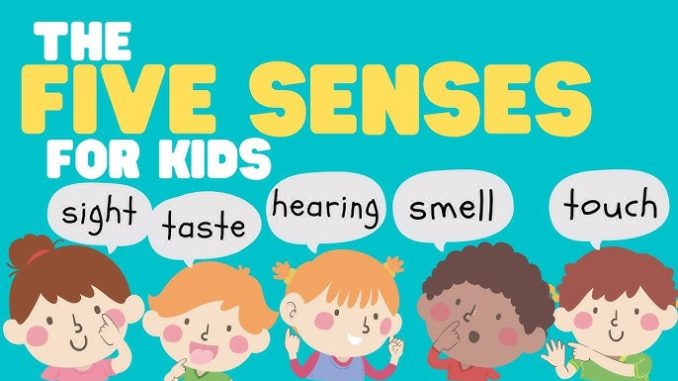
Learning is often perceived as a cerebral, solitary activity—a quiet time spent reading books, listening to lectures, or watching screens. For centuries, our educational systems have prioritized the senses of sight and sound, focusing on what we read and hear as the primary pathways to knowledge. However, this approach ignores a powerful truth about how the human brain truly learns and retains information. Our most vivid and memorable experiences are those that engage multiple senses, and by deliberately incorporating all five senses into the learning process, we can transform passive information consumption into a dynamic, multi-dimensional experience. This multi-sensory approach doesn’t just make learning more enjoyable; it creates stronger neural pathways, leading to deeper understanding and far greater retention.
The power of learning with all five senses begins with an understanding of how our brains create memories. When we encounter a new piece of information, it’s not stored in isolation. It’s woven into a rich tapestry of associations, emotions, and sensory data. Think about the memories you hold most dear. They aren’t just mental snapshots; they’re often linked to the smell of a certain perfume, the feel of a specific texture, or the taste of a favorite food. By intentionally weaving these sensory cues into our learning, we give our brains more “hooks” to hang the new information on. For instance, when learning a new language, a student might not only read and hear a new word, but also write it by hand (touch), associate it with a specific color (sight), or even a particular smell, perhaps by lighting a scented candle every time they study that particular topic. This seemingly simple act of sensory engagement strengthens the memory’s foundation, making it far more accessible in the future.
Beyond memory, engaging multiple senses can make abstract concepts tangible and relatable. Consider a business professional trying to understand a new manufacturing process. Instead of just reading a technical manual (sight) or listening to a presentation (sound), they could visit the factory floor. There, they would not only see the machines in action, but also hear the hum of the equipment, feel the vibration of the floor (touch), and even smell the distinct scent of the materials being worked on. This direct, sensory experience provides a context that a two-dimensional document simply cannot. The information is no longer just words on a page; it’s a living, breathing process that they have physically experienced. This immersion creates a more holistic understanding of the process, allowing them to identify inefficiencies and opportunities for improvement that they would have never noticed from behind a desk.
The deliberate use of taste and smell, often the most neglected senses in a learning environment, can be particularly potent. While it may not be applicable to every subject, it can be a powerful tool for certain fields. A culinary student learning about spices, for example, is not truly learning until they can smell the difference between cinnamon and allspice, or taste the subtle bitterness of turmeric. A sommelier in training must rely on an exquisite sense of smell and taste to differentiate between wines. But even in a less obvious context, these senses can be used as anchor points. A writer struggling with a scene might use a specific scent—like a cup of coffee or a burning candle—to evoke the mood they’re trying to create, tying their creative output to a sensory experience. This use of sensory triggers can help a person enter a state of deep focus and creativity more easily, proving that learning isn’t just about absorbing new information, but also about creating an optimal environment for the mind to work.
Ultimately, learning with all five senses is about transforming education from a passive activity into an active, immersive pursuit. It requires a shift in mindset—from believing that knowledge resides solely in books and screens, to understanding that it is all around us, waiting to be experienced. By seeking out opportunities to engage touch, taste, and smell, alongside the more traditional senses of sight and sound, we can create richer, more memorable learning experiences. This multi-sensory approach is not just a clever trick; it’s an acknowledgment of our fundamental human nature. It’s a return to a more natural, intuitive way of learning that leverages the full power of our brains, ensuring that the knowledge we gain isn’t just stored, but truly internalized and understood.