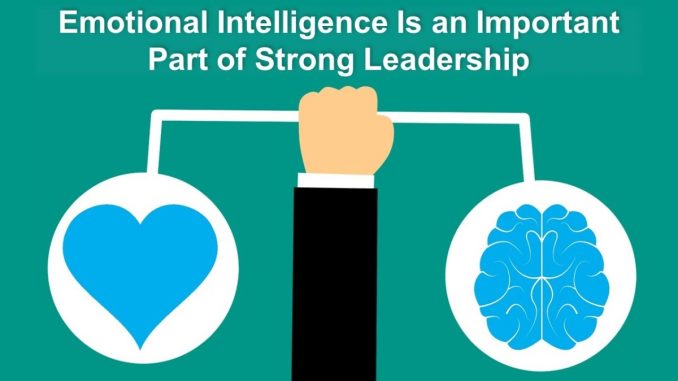
An emotionally intelligent business is one that understands people—not just as customers or employees, but as complex, feeling individuals. It’s a business that listens before it speaks, responds with empathy, and builds relationships rooted in trust. Emotional intelligence in business isn’t a soft skill reserved for HR departments; it’s a strategic asset that shapes culture, drives loyalty, and fuels long-term success. When a company learns to read the emotional landscape of its environment, it becomes more adaptive, more human, and more resilient.
At the core of emotional intelligence is self-awareness. For a business, this means understanding its own values, behaviors, and impact. It’s about knowing what the brand stands for, how it communicates, and how it’s perceived. This clarity helps guide decisions and interactions. A company that’s self-aware doesn’t just chase trends—it acts with intention. It knows when to speak up, when to apologize, and when to change course. That kind of integrity builds credibility, and credibility is the foundation of trust.
Empathy is another pillar. Businesses that practice empathy don’t just collect data—they listen to stories. They seek to understand the emotions behind the feedback, the context behind the behavior, and the needs behind the numbers. This depth of understanding leads to better products, more thoughtful service, and more meaningful engagement. When a customer feels heard, they’re more likely to stay. When an employee feels understood, they’re more likely to thrive. Empathy turns transactions into relationships and workplaces into communities.
Communication in an emotionally intelligent business is clear, respectful, and responsive. It’s not just about what is said—it’s about how it’s said and how it’s received. Tone matters. Timing matters. Transparency matters. A company that communicates with emotional intelligence doesn’t hide behind jargon or deflect with spin. It speaks honestly, listens actively, and adapts thoughtfully. This kind of communication builds psychological safety, where people feel comfortable sharing ideas, raising concerns, and being themselves.
Emotionally intelligent businesses also cultivate emotional agility. They don’t suppress emotion—they navigate it. They recognize that change can be unsettling, that conflict can be uncomfortable, and that growth can be messy. Instead of avoiding these realities, they create space for them. They support teams through transitions, address tension with care, and celebrate progress with sincerity. This agility helps businesses stay grounded during uncertainty and stay connected during complexity.
Leadership plays a critical role. Emotionally intelligent leaders model the behaviors that shape culture. They show vulnerability, express appreciation, and make decisions with empathy. They don’t just manage—they mentor. They don’t just direct—they inspire. Their presence sets the tone for the entire organization. When leaders lead with emotional intelligence, they create environments where people feel valued, seen, and motivated. And that emotional climate influences everything—from performance to retention to innovation.
Culture in an emotionally intelligent business is not just a set of perks or policies—it’s a lived experience. It’s how people treat each other, how decisions are made, and how values are expressed. A healthy culture supports emotional well-being. It encourages open dialogue, respects boundaries, and fosters belonging. It’s not about being perfect—it’s about being intentional. When culture is emotionally intelligent, it becomes a source of strength, especially in times of stress or change.
Customer experience is another area where emotional intelligence shines. Businesses that understand the emotional journey of their customers can design experiences that feel intuitive, supportive, and delightful. They anticipate needs, respond with care, and recover gracefully when things go wrong. These emotional touchpoints create loyalty. They turn customers into advocates and interactions into memories. Emotional intelligence doesn’t just improve service—it deepens connection.
Even decision-making benefits from emotional intelligence. It helps leaders balance logic with empathy, data with intuition, and urgency with care. It encourages reflection, dialogue, and perspective-taking. This leads to decisions that are not only effective but also ethical and inclusive. Emotionally intelligent decisions consider impact—not just on the bottom line, but on people. And that consideration builds trust, both internally and externally.
Building a business that’s emotionally intelligent is not a one-time initiative—it’s an ongoing practice. It requires attention, intention, and reflection. It means asking hard questions, listening deeply, and acting with care. It means valuing people as much as performance and recognizing that emotion is not a liability—it’s a source of insight, connection, and strength. When businesses embrace emotional intelligence, they don’t just become better at what they do—they become better at who they are. And in a world that’s increasingly automated and impersonal, that humanity is not just refreshing—it’s essential.