When a crisis strikes—whether it’s a natural disaster, a cyberattack, a public health emergency, or a sudden business interruption—the immediate focus is often on survival. Organizations scramble to contain damage, protect people, and maintain operations. Individuals seek safety, clarity, and reassurance. But once the dust begins to settle, the conversation shifts from response to recovery. And in that transition, insurance emerges not just as a financial backstop, but as a strategic recovery tool that can shape the trajectory of rebuilding and resilience.
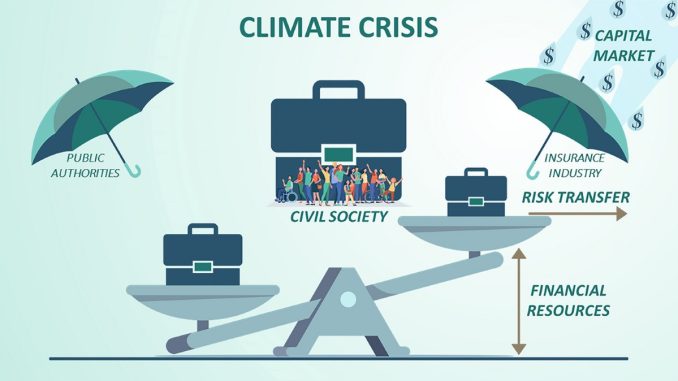
Insurance is often viewed through the lens of risk transfer. It’s the mechanism that allows individuals and businesses to shift the financial burden of unexpected events to a third party. But its true power is revealed in the aftermath—when losses are tallied, claims are filed, and the path to restoration begins. A well-structured insurance policy doesn’t just reimburse costs; it enables continuity. It allows a business to reopen its doors, a homeowner to rebuild, and a community to regain its footing. In this way, insurance becomes a catalyst for recovery, not just a remedy for loss.
Consider the example of a manufacturing company hit by a major fire. The immediate damage is obvious—equipment destroyed, production halted, employees displaced. But the ripple effects are equally significant. Clients may turn to competitors, supply chains may be disrupted, and revenue may plummet. Business interruption insurance, in this scenario, becomes a lifeline. It covers lost income, helps pay ongoing expenses, and provides the financial breathing room needed to rebuild operations. Without it, the company might face insolvency. With it, recovery becomes not only possible but sustainable.
The same principle applies to individuals. A family whose home is damaged by a flood faces not only the cost of repairs but also temporary housing, replacement of personal belongings, and emotional upheaval. Homeowners insurance, when properly structured, can cover these expenses and offer access to support services that ease the transition. It’s not just about money—it’s about restoring normalcy. The ability to return to a familiar routine, to feel safe and secure again, is a critical part of recovery. Insurance facilitates that process, helping families move forward rather than remain stuck in crisis mode.
Insurance also plays a role in psychological recovery. Knowing that coverage is in place can reduce stress and anxiety during difficult times. It provides a sense of control in situations that feel chaotic. This emotional reassurance is particularly valuable in high-stakes environments, such as healthcare or disaster response. For example, a hospital facing a cyberattack may rely on cyber liability insurance to cover data recovery, legal costs, and reputational damage. But just as importantly, the presence of insurance allows leadership to focus on patient care and operational continuity, rather than being consumed by financial fallout.
The effectiveness of insurance as a recovery tool depends heavily on preparation. Policies must be thoughtfully selected, regularly reviewed, and aligned with actual risk exposure. Coverage gaps, outdated limits, or misunderstood exclusions can undermine recovery efforts. That’s why collaboration with knowledgeable advisors is essential. They help clients assess vulnerabilities, customize coverage, and understand the claims process. This proactive approach ensures that when a crisis occurs, the insurance response is swift, relevant, and sufficient.
Technology is enhancing the role of insurance in recovery. Digital claims platforms, real-time data analytics, and remote assessment tools allow insurers to respond more quickly and accurately. Policyholders can file claims, upload documentation, and receive updates with minimal friction. This efficiency accelerates the recovery timeline and reduces administrative burden. It also fosters transparency, helping clients understand what to expect and how to navigate the process. In moments of crisis, clarity and speed are invaluable.
Insurance also intersects with broader resilience strategies. It complements emergency planning, risk mitigation, and continuity management. For businesses, this means integrating insurance into operational frameworks—ensuring that coverage supports key functions, protects critical assets, and aligns with recovery objectives. For individuals, it means viewing insurance as part of a holistic financial plan—one that includes savings, investments, and estate planning. When insurance is woven into these systems, it becomes more than a safety net. It becomes a strategic asset.
Public-private partnerships further illustrate the power of insurance in recovery. Governments often collaborate with insurers to provide coverage for large-scale risks, such as terrorism, natural disasters, or pandemics. These arrangements expand access to protection, stabilize markets, and support community recovery. For example, crop insurance programs help farmers recover from droughts or floods, preserving food supply chains and rural economies. Disaster insurance pools enable municipalities to rebuild infrastructure and restore services. These initiatives demonstrate how insurance can serve not only individual policyholders but entire populations.
Ultimately, the value of insurance is not measured solely by the size of a payout. It’s measured by the speed and strength of recovery. It’s about enabling people and organizations to regain their footing, rebuild their lives, and continue pursuing their goals. In this sense, insurance is not just a financial product—it’s a recovery partner. It stands beside us in moments of crisis, offering support, structure, and stability. And when chosen wisely and managed well, it transforms adversity into opportunity, helping us emerge stronger, smarter, and more resilient than before.