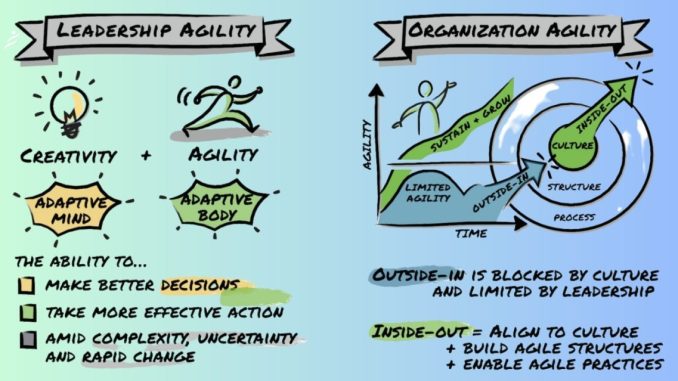
Agility has become a defining trait of successful organizations in today’s fast-moving business environment. The ability to pivot, respond to change, and innovate quickly is no longer a luxury—it’s a necessity. Yet with all the emphasis on flexibility and speed, there’s a risk of losing sight of long-term goals and strategic direction. Staying agile without drifting aimlessly requires a delicate balance between adaptability and focus. It’s about creating a culture and structure that welcomes change while remaining anchored to a clear purpose.
At the heart of this balance is clarity. Organizations that thrive in dynamic environments tend to have a strong sense of mission and values. These foundational elements act as a compass, guiding decisions even when circumstances shift. When teams understand why they exist and what they’re working toward, they can make adjustments without compromising their core identity. For example, a tech startup might change its product roadmap in response to market feedback, but if its mission is to simplify digital collaboration, every pivot will still serve that overarching goal. This clarity empowers teams to innovate confidently, knowing that their efforts align with a bigger picture.
Agility also depends on decentralizing decision-making. In rigid hierarchies, change is slow and often met with resistance. By contrast, agile organizations distribute authority, allowing teams to respond to challenges and opportunities in real time. This doesn’t mean abandoning leadership—it means redefining it. Leaders in agile environments act as facilitators and visionaries, setting direction and enabling others to execute. They provide guardrails rather than micromanagement, ensuring that autonomy doesn’t lead to fragmentation. When teams are trusted to make decisions within a shared framework, they move faster and stay aligned.
Communication plays a critical role in maintaining direction amid agility. Frequent, transparent dialogue helps teams stay informed, connected, and focused. It’s not enough to have a strategy tucked away in a slide deck—leaders must continually reinforce priorities, share updates, and invite feedback. This ongoing exchange creates a rhythm that keeps everyone in sync, even as plans evolve. For instance, regular stand-ups, retrospectives, and strategy reviews can help surface misalignments early and recalibrate efforts. In remote or hybrid settings, digital tools like collaborative dashboards and messaging platforms become essential for maintaining this flow.
Another key to staying agile without losing direction is embracing iteration. Rather than aiming for perfection from the outset, agile organizations test ideas, learn from outcomes, and refine their approach. This iterative mindset encourages experimentation while reducing the cost of failure. However, iteration must be purposeful. Without clear criteria for success or a mechanism for learning, it can devolve into aimless tinkering. Setting measurable goals and reviewing progress ensures that each cycle builds toward something meaningful. For example, a marketing team might run multiple ad campaigns with different messaging, but they’ll use performance data to determine which aligns best with brand positioning and audience engagement.
Agility also benefits from a strong feedback loop between strategy and execution. Strategic plans should not be static documents—they should evolve based on what’s happening on the ground. This requires listening to frontline employees, customers, and partners, and incorporating their insights into decision-making. When strategy is informed by reality, it becomes more resilient and relevant. Conversely, when execution is guided by strategy, it avoids becoming reactive or scattered. This dynamic interplay ensures that agility serves direction rather than undermining it.
Technology can support this balance by providing visibility and enabling responsiveness. Tools that track performance, manage workflows, and visualize progress help teams stay focused while adapting to change. For instance, project management platforms can show how tasks align with strategic objectives, making it easier to prioritize and adjust. Data analytics can reveal trends and anomalies, prompting timely interventions. However, technology is only as effective as the mindset behind it. Organizations must use these tools to enhance clarity and coordination, not to create complexity or surveillance.
Culture is perhaps the most powerful force in sustaining agility with direction. A culture that values learning, collaboration, and accountability fosters both flexibility and discipline. It encourages people to take initiative while respecting shared goals. It supports risk-taking without losing sight of impact. Building such a culture requires intentional effort—from hiring and onboarding to recognition and development. It’s about creating an environment where people feel empowered to adapt and innovate, but also understand the importance of alignment and purpose.
Ultimately, staying agile without losing direction is about being responsive, not reactive. It’s about making deliberate choices in the face of uncertainty, guided by a clear understanding of what matters most. Organizations that master this balance are better equipped to navigate complexity, seize opportunities, and sustain momentum. They don’t just move fast—they move smart. And in a world where change is constant, that distinction makes all the difference.