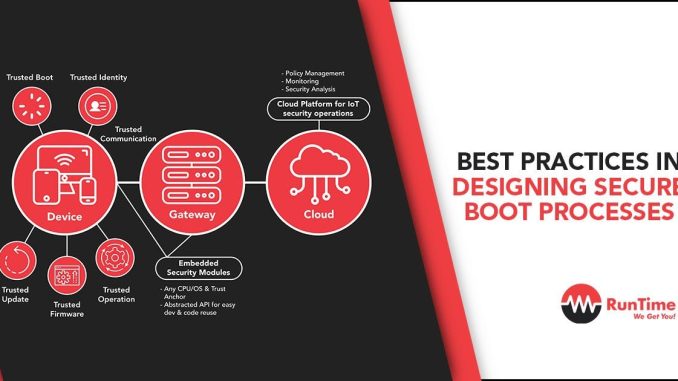
The rapid expansion of the Internet of Things has created extraordinary opportunities for businesses and consumers alike. From smart homes and connected cars to industrial sensors and healthcare devices, IoT solutions are transforming the way we live and work. Yet with this transformation comes a critical challenge: ensuring that these interconnected systems remain secure. Designing secure IoT solutions is not simply a technical exercise but a strategic imperative, as vulnerabilities in connected devices can have far-reaching consequences for privacy, safety, and business continuity.
One of the defining characteristics of IoT systems is their scale and diversity. Devices range from simple sensors with limited processing power to complex machines capable of advanced analytics. This diversity makes security design more complicated, as solutions must account for varying capabilities and constraints. A lightweight sensor may not support the same encryption protocols as a powerful gateway, yet both must be protected against threats. The challenge lies in creating security frameworks that are adaptable without compromising effectiveness.
Data protection is at the heart of secure IoT design. Connected devices generate vast amounts of data, much of it sensitive, whether it involves personal health information, financial transactions, or industrial performance metrics. Ensuring that this data is encrypted both in transit and at rest is essential. Beyond encryption, organizations must implement robust authentication mechanisms to prevent unauthorized access. Weak or default passwords remain one of the most common vulnerabilities in IoT devices, underscoring the importance of strong identity management practices.
Another critical aspect of IoT security is resilience against evolving threats. Cyberattacks are becoming more sophisticated, and IoT devices are attractive targets because they often lack the defenses found in traditional IT systems. Designing secure solutions requires a proactive approach, incorporating regular updates, patch management, and monitoring capabilities. Devices must be able to receive security updates seamlessly, even when deployed in remote or resource-constrained environments. Without this capability, vulnerabilities can persist long after they are discovered, leaving systems exposed.
The interconnected nature of IoT also means that a single compromised device can have cascading effects across an entire network. Attackers may exploit one weak link to gain access to broader systems, potentially disrupting critical operations. To mitigate this risk, segmentation and isolation strategies are essential. By limiting the ability of devices to communicate beyond their intended scope, organizations can contain potential breaches and prevent widespread damage. This principle of least privilege applies not only to users but also to devices themselves.
Designing secure IoT solutions also requires attention to supply chain integrity. Devices are often manufactured by multiple vendors, assembled across different regions, and integrated into complex ecosystems. Each step in this chain introduces potential vulnerabilities, whether through counterfeit components, insecure firmware, or compromised software libraries. Businesses must establish rigorous standards for vendor selection, testing, and certification to ensure that devices entering their networks meet security requirements. Trust in the supply chain is as important as trust in the devices themselves.
User awareness and education play a significant role in IoT security. Even the most well-designed systems can be undermined by poor practices, such as failing to change default settings or neglecting updates. Organizations must provide clear guidance to users, making security practices intuitive and accessible. This includes designing interfaces that encourage secure behavior and offering support that helps users understand the importance of maintaining device integrity. Security should not be an afterthought but an integral part of the user experience.
Regulatory compliance adds another layer of complexity to IoT security. Different industries and regions impose varying requirements for data protection, privacy, and safety. Designing secure solutions means aligning with these regulations while also anticipating future standards. Compliance should not be viewed as a burden but as an opportunity to build trust with customers and stakeholders. Organizations that demonstrate a commitment to security and transparency are better positioned to differentiate themselves in competitive markets.
The role of analytics and artificial intelligence in IoT security is growing rapidly. By analyzing patterns of device behavior, organizations can detect anomalies that may indicate potential threats. Machine learning models can identify unusual traffic, unauthorized access attempts, or deviations from normal performance, enabling faster response to incidents. Integrating these capabilities into IoT solutions enhances resilience and provides a dynamic layer of defense that evolves alongside emerging risks.
Collaboration across industries is essential for advancing IoT security. No single organization can address the full spectrum of challenges alone. Standards bodies, technology providers, and regulators must work together to establish frameworks that promote interoperability and security. Shared knowledge and best practices help raise the baseline of protection across the ecosystem, reducing the likelihood of widespread vulnerabilities. This collaborative approach ensures that security is not fragmented but cohesive and consistent.
Ultimately, designing secure IoT solutions is about balancing innovation with responsibility. The promise of IoT lies in its ability to connect and optimize, but this promise can only be realized if users and businesses trust the systems they rely on. Security must be embedded into every stage of design, from hardware and software development to deployment and maintenance. It is not a one-time effort but a continuous process that evolves with technology and threats.
As IoT adoption accelerates, the stakes for security will only grow higher. Businesses that prioritize secure design will not only protect themselves from risks but also gain a competitive advantage by offering solutions that customers can trust. The journey toward secure IoT is ongoing, requiring vigilance, adaptability, and collaboration. By embracing these principles, organizations can harness the full potential of IoT while safeguarding the integrity of their systems and the confidence of their users.