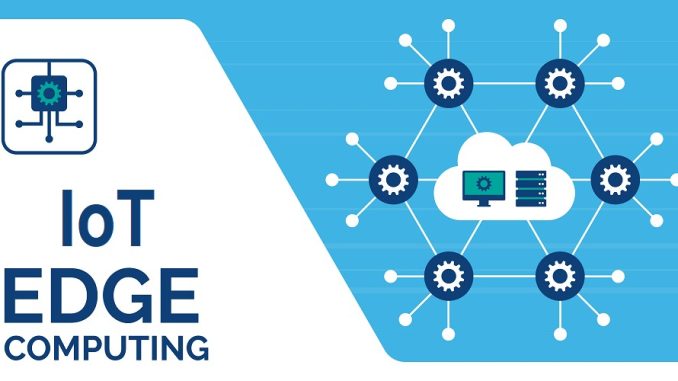
Edge computing has emerged as a powerful enabler for the Internet of Things, reshaping how data is processed, analyzed, and acted upon. As IoT devices proliferate across industries, from manufacturing floors to smart cities, the sheer volume of data they generate has become both an opportunity and a challenge. Traditional cloud-based models, while effective for centralized storage and analysis, often struggle with latency, bandwidth constraints, and the need for real-time responsiveness. Edge computing addresses these limitations by bringing computation closer to the source of data, unlocking new levels of efficiency and capability.
One of the most significant benefits of edge computing for IoT is the reduction of latency. Many IoT applications, such as autonomous vehicles, industrial automation, or healthcare monitoring, require decisions to be made in milliseconds. Sending data to a distant cloud server for processing introduces delays that can compromise performance or even safety. By processing data locally at the edge, devices can respond instantly, ensuring that critical actions are taken without waiting for round trips to centralized systems.
Bandwidth optimization is another advantage that edge computing delivers. IoT devices generate massive amounts of data, much of which may not need to be transmitted to the cloud. For instance, sensors monitoring temperature or vibration may produce continuous streams of information, but only anomalies or aggregated insights are truly valuable for centralized analysis. Edge computing filters and processes data locally, reducing the burden on networks and lowering costs associated with data transmission. This efficiency is particularly important in environments with limited connectivity or where bandwidth is expensive.
Security and privacy also benefit from edge computing. By keeping sensitive data closer to its source, organizations can reduce exposure to potential breaches during transmission. Local processing allows for anonymization, encryption, or selective sharing of information before it ever reaches external systems. This approach not only strengthens compliance with data protection regulations but also builds trust with customers and stakeholders who are increasingly concerned about how their information is handled.
Scalability is enhanced when IoT systems leverage edge computing. As the number of connected devices grows, centralized cloud infrastructures can become overwhelmed. Edge computing distributes the workload across local nodes, ensuring that performance remains consistent even as networks expand. This decentralized model allows organizations to scale their IoT deployments without requiring massive investments in centralized infrastructure, making growth more manageable and cost-effective.
Another important benefit is resilience. Edge computing enables IoT systems to continue functioning even when connectivity to the cloud is disrupted. Devices can process data, make decisions, and maintain operations independently until connections are restored. This resilience is critical in industries such as energy, transportation, or healthcare, where downtime can have significant consequences. By reducing reliance on constant connectivity, edge computing ensures that IoT systems remain reliable under varying conditions.
The integration of artificial intelligence and machine learning at the edge further amplifies the value of IoT. Instead of sending raw data to the cloud for analysis, edge devices can run models locally, detecting patterns, predicting outcomes, and triggering actions in real time. This capability transforms IoT from a passive data collection system into an active decision-making network. Smart cameras can identify security threats instantly, industrial sensors can predict equipment failures before they occur, and wearable devices can monitor health conditions continuously without overwhelming centralized systems.
Cost savings are another compelling aspect of edge computing for IoT. By reducing the need for constant data transmission and minimizing reliance on centralized resources, organizations can lower operational expenses. Edge devices often require less bandwidth and storage, and they can extend the lifespan of existing infrastructure by offloading workloads. These savings make IoT deployments more financially sustainable, encouraging broader adoption across industries and applications.
Edge computing also enhances user experiences. In consumer-facing IoT applications, such as smart homes or connected retail, responsiveness is key. Users expect devices to react instantly, whether adjusting lighting, processing payments, or delivering personalized recommendations. Edge computing ensures that these interactions are seamless, creating experiences that feel natural and intuitive. This responsiveness strengthens customer satisfaction and loyalty, which are critical in competitive markets.
Environmental sustainability is another dimension where edge computing contributes positively. By reducing the need to transmit and store vast amounts of data in centralized facilities, energy consumption is lowered. Local processing minimizes the carbon footprint associated with data centers and network infrastructure. As organizations increasingly prioritize sustainability, edge computing offers a way to align technological innovation with environmental responsibility.
The benefits of edge computing for IoT also extend to innovation. By enabling real-time processing and decision-making, organizations can explore new applications that were previously impractical. Smart grids can balance energy loads dynamically, logistics systems can optimize routes instantly, and healthcare providers can deliver personalized care in real time. These innovations not only improve efficiency but also create new opportunities for value creation and competitive differentiation.
Ultimately, edge computing transforms the role of IoT from a data-gathering tool into a dynamic system capable of immediate action. It addresses the challenges of latency, bandwidth, security, scalability, and resilience, while opening doors to advanced analytics and new business models. As IoT continues to expand across industries, edge computing will be the key to unlocking its full potential, ensuring that connected devices are not just smart but truly responsive and impactful.
The convergence of IoT and edge computing represents a pivotal moment in the evolution of digital technology. Organizations that embrace this model will be better positioned to harness the power of connected devices, delivering solutions that are faster, more efficient, and more secure. In doing so, they will not only improve their operations but also redefine how technology interacts with the physical world, creating a future where intelligence is distributed, decisions are immediate, and innovation is limitless.