Ethical supply chains have become a cornerstone of modern business strategy, reflecting the growing demand from consumers, regulators, and investors for transparency, fairness, and sustainability. While much of the conversation focuses on sourcing practices, labor standards, and environmental impact, insurance plays a critical but often overlooked role in supporting these efforts. By managing risk and providing financial protection, insurance enables companies to uphold ethical commitments even in the face of uncertainty, ensuring that supply chains remain resilient and responsible.
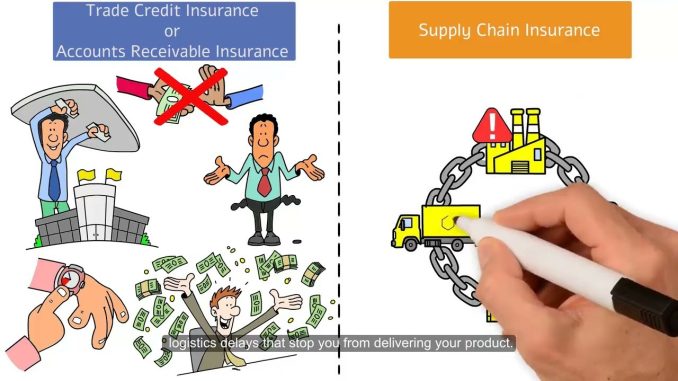
One of the most direct ways insurance supports ethical supply chains is by safeguarding investments in responsible sourcing. Companies that prioritize fair labor practices or environmentally sustainable materials often face higher costs and longer lead times. These commitments can be vulnerable to disruptions such as natural disasters, political instability, or supplier insolvency. Insurance coverage for property, cargo, and business interruption ensures that these investments are protected, allowing companies to continue sourcing ethically without being forced to compromise under financial pressure.
Insurance also plays a role in reinforcing accountability across supply chains. Liability coverage ensures that companies are held responsible for the actions of their suppliers, particularly when it comes to labor rights, safety standards, or environmental compliance. This accountability encourages businesses to vet suppliers more carefully and maintain oversight, knowing that lapses could result in financial and reputational consequences. In this way, insurance indirectly promotes ethical behavior by aligning financial incentives with responsible practices.
The global nature of supply chains introduces complex risks that can undermine ethical commitments. Products often pass through multiple countries, each with different regulations, standards, and vulnerabilities. Insurance provides a framework for managing these risks, covering transportation, customs delays, and geopolitical uncertainties. This protection allows companies to expand their ethical supply chains across borders, confident that they can manage the challenges of operating in diverse environments. Without insurance, many businesses might limit their sourcing to less risky but potentially less ethical options.
Insurance also supports ethical supply chains by enabling transparency. Many insurers require detailed documentation of supplier practices, risk assessments, and compliance measures before providing coverage. This requirement encourages companies to maintain accurate records and adopt monitoring systems, which in turn strengthens transparency throughout the supply chain. The process of securing insurance becomes an opportunity for businesses to evaluate and improve their ethical standards, reinforcing the link between risk management and responsible sourcing.
The role of insurance extends to protecting workers within supply chains. Coverage for workplace accidents, health risks, and liability ensures that employees are not left vulnerable when incidents occur. Companies that provide or require such coverage demonstrate a commitment to worker welfare, which is a key component of ethical supply chains. Insurance helps bridge the gap between corporate responsibility and practical protection, ensuring that ethical principles translate into tangible benefits for workers.
Insurance also influences consumer trust in ethical supply chains. Customers increasingly expect companies to demonstrate responsibility not only in their sourcing but also in their risk management. When businesses can show that they have insurance in place to cover potential disruptions or liabilities, it reinforces confidence that their ethical commitments are sustainable. This trust strengthens brand loyalty and enhances the value of ethical practices, making them a competitive advantage rather than a cost burden.
The financial stability provided by insurance is particularly important for small and medium-sized enterprises that participate in ethical supply chains. These businesses often lack the resources to absorb major losses, making them more vulnerable to disruptions. Insurance provides a safety net that allows them to engage in responsible sourcing and fair labor practices without fear of financial ruin. By supporting smaller players, insurance helps diversify and strengthen ethical supply chains, ensuring that responsibility is not limited to large corporations.
Insurance also plays a role in encouraging innovation within supply chains. Companies experimenting with new sustainable materials, technologies, or processes face significant risks, from technical failures to market rejection. Coverage for research, development, and product liability allows businesses to pursue these innovations with confidence. This support fosters the evolution of ethical supply chains, enabling them to adapt to changing consumer expectations and environmental challenges.
The psychological impact of insurance should not be underestimated. Knowing that risks are covered provides peace of mind, allowing companies to focus on building ethical supply chains rather than constant worry about potential setbacks. This confidence encourages businesses to take bold steps, such as expanding into new markets or adopting stricter standards, without fear of catastrophic consequences. Insurance transforms uncertainty into manageable risk, making ethical supply chains more viable and sustainable.
Insurance also adapts to emerging risks that affect supply chains. Climate change, cyber threats, and geopolitical tensions all pose challenges to ethical sourcing and distribution. Insurers develop products to address these risks, ensuring that companies can maintain their commitments even in a rapidly changing environment. This adaptability reinforces the role of insurance as a partner in sustaining ethical supply chains, evolving alongside the challenges faced by businesses.
Collaboration between insurers and businesses further strengthens ethical supply chains. Many insurers work with companies to design coverage that reflects their specific risks and ethical goals. These partnerships encourage dialogue about best practices, compliance, and resilience, creating a shared commitment to responsibility. By engaging with insurers, businesses gain not only financial protection but also valuable insights into how to strengthen their supply chains ethically.
Ultimately, insurance supports ethical supply chains by aligning financial protection with responsible practices. It safeguards investments, reinforces accountability, and fosters transparency, ensuring that ethical commitments are not undermined by risk. By providing stability and confidence, insurance enables businesses to pursue sustainability, fairness, and innovation in their supply chains. In a world where consumers and stakeholders increasingly demand responsibility, insurance ensures that ethical supply chains are not only aspirational but achievable, resilient, and enduring.