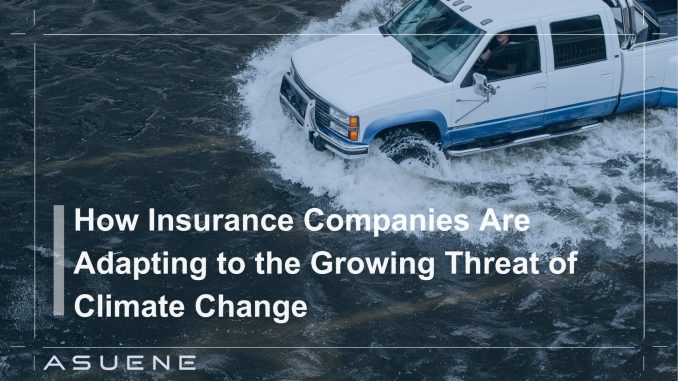
Insurance has always been about managing uncertainty, but global crises push the industry into uncharted territory. Whether it is a pandemic, a financial meltdown, or a climate-driven disaster, these events test the resilience of insurers and force them to adapt in ways that reshape both their operations and their role in society. The ability to respond effectively to crises is not just about protecting balance sheets; it is about maintaining trust and ensuring that individuals, businesses, and governments can continue to function in the face of disruption.
One of the most immediate challenges during a global crisis is the sheer scale of claims. Natural disasters can affect entire regions, pandemics can trigger widespread health and business interruptions, and economic shocks can lead to surges in liability or credit-related claims. Insurers must be prepared to process these claims quickly and fairly, even when the volume is overwhelming. This requires not only financial strength but also operational agility, as companies deploy additional resources, leverage technology, and streamline processes to meet customer needs under extraordinary circumstances.
Financial resilience is central to adaptation. Insurers rely on reserves and reinsurance agreements to absorb shocks, but global crises often reveal gaps in traditional risk models. Events like the COVID-19 pandemic showed that risks once considered rare or uninsurable could materialize on a massive scale. In response, insurers have had to rethink how they calculate exposure, diversify portfolios, and structure reinsurance contracts. This recalibration ensures that they can withstand future crises without jeopardizing solvency, while also maintaining the confidence of regulators and policyholders.
Technology has become a critical enabler of adaptation. Digital platforms allow insurers to maintain continuity even when physical offices are disrupted, while advanced analytics help them assess emerging risks more accurately. Artificial intelligence and machine learning are increasingly used to process claims, detect fraud, and predict patterns of loss during crises. These tools not only improve efficiency but also enhance customer experience, providing reassurance at a time when uncertainty is at its peak. The ability to pivot quickly to digital solutions has become a defining feature of insurers that thrive during global disruptions.
Global crises also force insurers to reconsider the scope of coverage they provide. Pandemics, for instance, exposed the limitations of business interruption policies that excluded communicable diseases. Climate change has raised questions about the insurability of properties in high-risk areas prone to flooding or wildfires. In adapting to these realities, insurers must balance affordability with sustainability, often working with governments to design public-private partnerships that extend coverage to risks that are otherwise too large for the private market alone. These collaborations highlight the evolving role of insurance as part of a broader societal safety net.
Communication becomes especially important during crises. Policyholders want clarity about what is covered, how claims will be handled, and what support they can expect. Insurers that communicate transparently and empathetically often emerge stronger, while those that appear evasive or slow to respond risk losing trust. Adaptation in this sense is not just about financial mechanisms but about building relationships that can withstand stress. Customers who feel supported during a crisis are more likely to remain loyal long after the event has passed.
Adaptation also involves innovation in product design. Insurers are increasingly developing specialized policies that address emerging risks, such as cyberattacks, supply chain disruptions, or pandemic-related shutdowns. These products reflect a recognition that global crises are not anomalies but recurring challenges that require tailored solutions. By offering coverage that aligns with modern realities, insurers help businesses and individuals prepare for the next disruption, turning lessons learned into proactive strategies.
The human element cannot be overlooked. Behind every claim is a person or organization grappling with loss, and insurers must adapt their customer service to meet heightened emotional needs during crises. Training staff to handle sensitive conversations, offering flexible payment options, and providing additional support services are all ways insurers demonstrate empathy. This human-centered approach reinforces the idea that insurance is not just a financial product but a partnership in resilience.
Global crises also accelerate cultural shifts within the industry. Traditionally conservative and risk-averse, insurers are learning to embrace agility and innovation. The urgency of crises forces them to experiment with new models, adopt emerging technologies, and collaborate across borders. This cultural transformation is as important as financial adaptation, because it positions insurers to remain relevant in a world where crises are increasingly interconnected and unpredictable.
Regulation plays a significant role in shaping how insurers adapt. Governments often step in during crises to stabilize markets, protect consumers, and ensure that insurers remain solvent. This can involve temporary measures, such as moratoriums on policy cancellations, or long-term reforms that reshape the industry. Insurers must navigate these regulatory landscapes carefully, balancing compliance with the need to remain competitive. Adaptation in this context means aligning business practices with evolving expectations of fairness, transparency, and resilience.
The lessons learned from crises often lead to lasting changes. After each major disruption, insurers refine their risk models, adjust their product offerings, and strengthen their operational frameworks. These adaptations accumulate over time, making the industry more resilient and better prepared for future challenges. In this way, crises serve as catalysts for progress, pushing insurers to evolve in ways that might not have occurred under normal circumstances.
Ultimately, the way insurance adapts to global crises reveals its deeper purpose. Beyond financial compensation, insurers provide stability, reassurance, and a foundation for recovery. They help societies absorb shocks, rebuild, and move forward. By continually evolving in response to crises, insurers demonstrate their role as essential partners in resilience, ensuring that innovation, commerce, and everyday life can continue even when the world feels uncertain. The cost of adaptation is high, but the value it delivers—to individuals, businesses, and entire economies—is immeasurable.