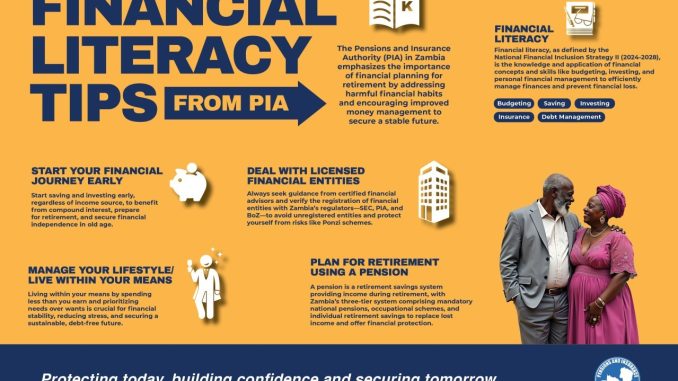
Insurance is often viewed simply as a protective measure, a way to guard against unexpected financial losses. Yet its role extends much further, serving as a powerful tool in building financial literacy. By engaging with insurance products, individuals and businesses learn to think critically about risk, budgeting, and long-term planning. In this way, insurance not only shields wealth but also educates people about how to manage it responsibly.
One of the most fundamental lessons insurance teaches is the concept of risk transfer. Understanding that risk can be shared across a pool of policyholders helps individuals grasp how financial systems work. This awareness encourages people to evaluate their own exposure to potential losses, whether related to health, property, or income. By recognizing that risk is an unavoidable part of life, consumers become more adept at making informed financial choices, balancing protection with affordability.
Insurance also reinforces the importance of budgeting. Premiums are recurring expenses, and policyholders must account for them in their financial plans. This discipline fosters a habit of allocating resources toward long-term security rather than short-term consumption. For many, the act of setting aside money for insurance becomes an introduction to broader financial planning, teaching them to prioritize essentials and anticipate future needs. It is a practical lesson in managing cash flow and preparing for contingencies.
The claims process provides another avenue for financial education. When individuals file a claim, they learn firsthand how documentation, accuracy, and transparency affect financial outcomes. This experience highlights the importance of recordkeeping and accountability, skills that extend beyond insurance into other areas of personal finance. Understanding how claims are evaluated also teaches consumers about fairness, contracts, and the value of clear communication in financial transactions.
Insurance products often require policyholders to consider long-term scenarios, which cultivates forward-looking financial thinking. Life insurance, for instance, prompts individuals to reflect on family needs, estate planning, and intergenerational wealth transfer. Health insurance encourages consideration of medical costs over a lifetime, while retirement-related products such as annuities highlight the importance of planning for income security in later years. These decisions foster a mindset that values preparation and resilience, key components of financial literacy.
The diversity of insurance offerings also broadens financial knowledge. From property and casualty coverage to specialized products like cyber insurance, consumers are exposed to a wide range of financial instruments. Each type of policy introduces new concepts, such as liability, depreciation, or actuarial calculations. Engaging with these products helps individuals build a vocabulary of financial terms and principles, making them more confident in navigating other aspects of finance, such as investments or loans.
Insurance companies themselves often play an active role in promoting financial literacy. Many provide educational resources, workshops, or online tools that explain coverage options, risk management strategies, and budgeting techniques. These initiatives empower consumers to make better decisions, not only about insurance but about their overall financial health. By demystifying complex topics, insurers contribute to a more financially literate society, which benefits both individuals and the broader economy.
The link between insurance and financial literacy is also evident in the way coverage influences behavior. Policyholders who understand how premiums are calculated often take steps to reduce risk, such as maintaining healthier lifestyles, investing in home safety, or practicing safe driving. These actions not only lower costs but also reinforce the connection between financial decisions and real-world outcomes. Insurance thus becomes a practical teacher, showing how proactive choices can lead to tangible financial benefits.
For businesses, insurance provides lessons in financial responsibility and risk management. Entrepreneurs learn to assess vulnerabilities, calculate potential losses, and allocate resources toward protection. This process strengthens their understanding of financial planning and encourages them to adopt practices that safeguard both their operations and their employees. In many cases, insurance requirements from lenders or partners also introduce business owners to broader financial concepts, such as compliance, liability, and contractual obligations.
Insurance further supports financial literacy by highlighting the importance of equity and fairness. Premiums are often tied to measurable behaviors or conditions, such as driving records or health status. This structure teaches consumers that financial outcomes are influenced by personal choices and circumstances. It reinforces the principle that responsibility and accountability matter in financial systems, encouraging individuals to take ownership of their decisions.
The psychological dimension of insurance also contributes to financial literacy. Knowing that coverage exists provides peace of mind, which allows individuals to focus on long-term financial goals rather than constant worry about potential setbacks. This confidence fosters healthier financial habits, such as saving, investing, and planning for the future. Insurance, in this sense, supports not only financial knowledge but also the emotional resilience needed to apply that knowledge effectively.
As technology advances, insurance continues to evolve as a tool for financial education. Digital platforms allow consumers to compare policies, calculate premiums, and simulate scenarios, making financial concepts more accessible. These tools encourage active engagement, turning abstract ideas into practical lessons. The integration of technology into insurance products ensures that financial literacy is not static but grows alongside innovation, preparing consumers for the complexities of modern financial life.
Ultimately, insurance supports financial literacy by bridging the gap between theory and practice. It transforms abstract concepts like risk, budgeting, and planning into tangible experiences that shape behavior and decision-making. By participating in insurance systems, individuals and businesses gain insights that extend far beyond coverage, equipping them with the skills to navigate the broader financial landscape. In this way, insurance is not just a protective measure but a powerful educator, fostering a culture of responsibility and resilience in the face of uncertainty.