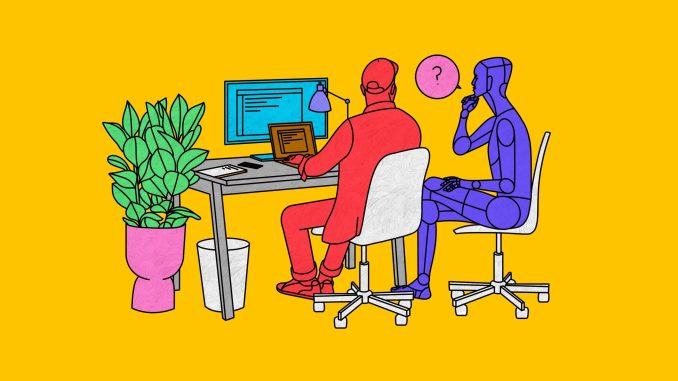
Pair programming has long been celebrated as a practice that enhances collaboration, improves code quality, and accelerates problem-solving. Two developers working side by side, sharing a keyboard and screen, can often catch errors faster and produce more reliable software than one person working alone. Yet while the benefits are clear, the risks associated with this method of working are often overlooked. Insurance for pair programming may sound unconventional, but when you consider the potential liabilities, intellectual property concerns, and operational challenges, it becomes a logical extension of risk management in modern software development.
At its core, pair programming is about trust. Two professionals must rely on each other’s judgment, skill, and integrity. If one developer introduces a flaw that later causes a system failure, questions of responsibility can arise. Professional liability insurance becomes relevant here, offering protection against claims that the team failed to deliver quality work. This type of coverage ensures that disputes over accountability do not derail projects or damage reputations, particularly when clients expect flawless execution.
The collaborative nature of pair programming also raises issues around intellectual property. Code written in tandem may blur the lines of ownership, especially when contractors, freelancers, or employees from different organizations are involved. Intellectual property insurance provides a safeguard in these situations, covering legal expenses if disputes emerge. For companies that rely heavily on external talent, this protection is essential to prevent conflicts that could stall innovation or lead to costly litigation.
Cybersecurity risks are another dimension worth considering. Pair programming often involves shared access to repositories, cloud environments, and sensitive client data. While collaboration tools make this process seamless, they also expand the attack surface for potential breaches. Cyber liability insurance helps mitigate the financial and reputational damage of such incidents. If a vulnerability introduced during a pair programming session leads to a breach, coverage ensures that recovery costs and legal obligations are managed without overwhelming the team or organization.
Operational risks also come into play. Pair programming is intensive, requiring two professionals to dedicate time simultaneously. If one developer becomes unavailable due to illness, travel, or other commitments, the workflow can be disrupted. Business interruption insurance can help cover the costs of delays, ensuring that projects remain financially viable even when unexpected events interfere with the collaborative process. This type of coverage is particularly valuable for organizations that rely on tight delivery schedules and cannot afford prolonged downtime.
The human element of pair programming should not be underestimated. Long hours spent working closely with another person can lead to stress, fatigue, or even interpersonal conflicts. Workers’ compensation insurance provides support if health issues arise, reinforcing the organization’s commitment to employee well-being. By ensuring that developers are protected, companies foster a healthier environment where collaboration can thrive without undue pressure.
Insurance for pair programming also enhances credibility with clients. In industries where trust and professionalism are paramount, demonstrating that you have taken steps to protect collaborative practices signals foresight and accountability. It reassures stakeholders that you understand the business implications of software development and are prepared to handle challenges responsibly. This can strengthen relationships and serve as a differentiator when competing for contracts.
Cost is often the biggest concern when considering insurance for specialized practices like pair programming. Premiums vary depending on coverage levels and the scale of operations, but they are generally manageable compared to the potential losses from uncovered risks. Thinking of insurance as an investment rather than an expense helps reframe the decision. Just as pair programming itself is a proactive measure to prevent costly errors, insurance serves as a proactive measure to prevent financial and reputational setbacks.
As software development evolves, so too does the role of pair programming. It is increasingly used in agile environments, remote teams, and cross-functional collaborations. These contexts introduce new risks, from miscommunication across time zones to reliance on third-party platforms. Regularly reviewing insurance coverage ensures that it keeps pace with these changes, providing protection that is relevant to the current landscape. A static policy may not be sufficient when practices and technologies are constantly shifting.
It is important to recognize that insurance does not replace good practices; it complements them. Developers must continue to prioritize secure coding, clear documentation, and effective communication. Insurance provides the safety net when these measures are not enough, allowing teams to recover quickly and maintain focus on their core mission. In this way, insurance supports not only the business side of software development but also the creative freedom that drives innovation.
For organizations just beginning to adopt pair programming, insurance may feel like an unnecessary step. Yet building protections early can save significant stress later. Even modest coverage can provide peace of mind and establish a foundation that grows with the team. As projects become more complex and client expectations rise, the importance of insurance becomes increasingly evident. It is a proactive measure that reflects maturity and foresight in business operations.
The broader lesson is that collaborative work carries real-world consequences. Pair programming decisions affect not only the quality of code but also the financial stability and reputation of the organization. Insuring this practice acknowledges its importance and ensures that the value it represents is not lost to chance. In a business environment where digital assets and collaborative methods are central, treating pair programming as insurable is both practical and forward-looking.
Ultimately, insurance for pair programming is about recognizing its role as a cornerstone of modern software development. It is about protecting the intellectual effort, strategic insight, and collaborative energy that go into shaping digital products. By securing the right coverage, organizations can safeguard their teams, strengthen client trust, and maintain resilience in the face of uncertainty. In doing so, they not only protect their code but also reinforce the professionalism and accountability that define successful enterprises in the digital age.