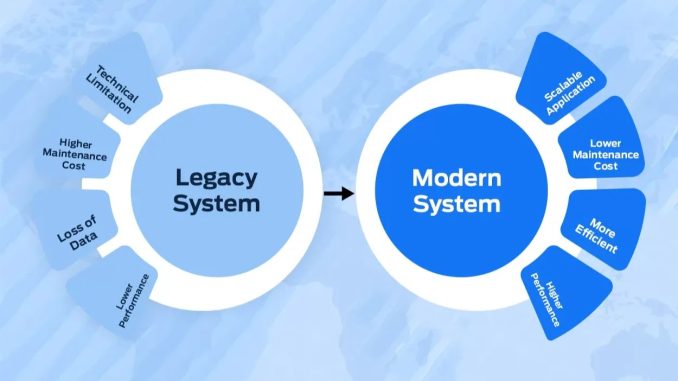
Transitioning from legacy systems to modern solutions is one of the most critical and complex undertakings facing organizations today. Legacy systems, often built decades ago, have served as the backbone of operations, managing everything from inventory and payroll to customer relationships and compliance. While these systems were once state-of-the-art, they now pose significant limitations in terms of scalability, integration, and agility. As businesses evolve to meet the demands of a digital-first economy, the need to modernize becomes not just a technical challenge but a strategic imperative.
Legacy systems are typically characterized by outdated architecture, limited interoperability, and high maintenance costs. They often rely on programming languages and hardware that are no longer widely supported, making it difficult to find skilled professionals who can maintain or enhance them. More importantly, these systems tend to operate in silos, preventing seamless data flow across departments and hindering real-time decision-making. In an era where speed and connectivity are paramount, such constraints can stifle innovation and reduce competitiveness.
Modern solutions, by contrast, offer flexibility, scalability, and integration capabilities that align with today’s business needs. Cloud-based platforms, microservices architecture, and API-driven ecosystems allow organizations to respond quickly to market changes, scale operations efficiently, and deliver better customer experiences. These technologies also support advanced analytics, automation, and artificial intelligence, enabling smarter, data-driven decisions. The shift to modern systems is not merely about replacing old tools—it’s about reimagining how technology can drive business value.
However, the journey from legacy to modern is rarely straightforward. It involves more than just technical upgrades; it requires a deep understanding of existing processes, stakeholder needs, and long-term goals. One of the biggest challenges is managing the transition without disrupting operations. Legacy systems often contain critical business logic and historical data that cannot be easily replicated or discarded. Organizations must carefully plan how to migrate data, preserve functionality, and ensure continuity. This often involves a phased approach, where legacy systems are gradually replaced or integrated with modern platforms over time.
Cultural and organizational factors also play a significant role in the success of modernization efforts. Employees who have relied on legacy systems for years may be resistant to change, especially if new tools require different workflows or skill sets. Effective change management, including training, communication, and stakeholder engagement, is essential to build buy-in and ease the transition. Leadership must articulate a clear vision for modernization, emphasizing not just the technical benefits but the broader impact on efficiency, innovation, and growth.
Cost is another consideration that can complicate the move to modern solutions. While legacy systems often incur high maintenance expenses, the upfront investment required for modernization can be substantial. Organizations must weigh the long-term savings and strategic advantages against the short-term financial impact. In many cases, the cost of inaction—such as lost productivity, security vulnerabilities, and missed opportunities—far outweighs the expense of modernization. A well-structured business case, supported by data and aligned with strategic priorities, can help justify the investment and guide decision-making.
Security and compliance are also critical factors in the transition. Legacy systems may lack the robust security features needed to protect against modern threats, and they may struggle to meet evolving regulatory requirements. Modern platforms, particularly those built with cloud-native principles, offer enhanced security controls, regular updates, and built-in compliance tools. By modernizing, organizations can reduce risk and ensure that their infrastructure supports both operational integrity and regulatory accountability.
One of the most promising aspects of modern solutions is their ability to foster innovation. With flexible architecture and real-time data access, businesses can experiment with new models, launch digital products, and personalize customer experiences. For example, a retailer moving from a legacy point-of-sale system to a cloud-based platform can integrate e-commerce, mobile payments, and inventory management into a unified experience. This not only improves operational efficiency but also opens the door to new revenue streams and customer engagement strategies.
Ultimately, the shift from legacy systems to modern solutions is about positioning the organization for future success. It’s a journey that requires vision, planning, and collaboration across technical and business teams. While the path may be complex, the rewards are substantial: greater agility, improved performance, and the ability to innovate at scale. By embracing modernization, organizations can move beyond the limitations of the past and build a foundation that supports growth, resilience, and transformation in a rapidly changing world.