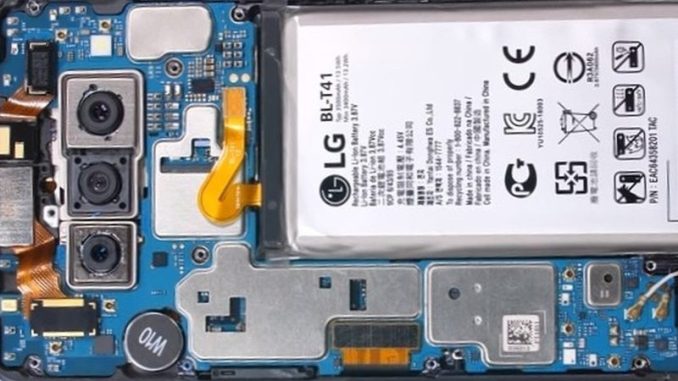
Smartphones have become so deeply embedded in our daily routines that it’s easy to forget just how sophisticated these pocket-sized devices really are. Beneath their sleek exteriors lies a complex network of components working in harmony to deliver the seamless experience we’ve come to expect. Understanding what’s inside a smartphone isn’t just a matter of curiosity—it offers insight into the engineering marvels that power modern communication, productivity, and entertainment. From processors and sensors to batteries and displays, each part plays a critical role in shaping the user experience.
At the heart of every smartphone is the central processing unit, or CPU, often referred to as the brain of the device. This chip handles everything from launching apps to processing data and managing system resources. Modern smartphones typically use system-on-a-chip (SoC) designs, which integrate the CPU, graphics processing unit (GPU), and other essential components into a single chip. This integration allows for faster performance and improved energy efficiency. For instance, when you stream a video or play a game, the GPU takes over to render graphics smoothly, while the CPU manages background tasks like notifications and connectivity.
Memory is another crucial element. Smartphones rely on two types of memory: RAM and storage. RAM, or random-access memory, temporarily holds data that the device is actively using, enabling multitasking and quick access to apps. Storage, on the other hand, is where your photos, videos, apps, and operating system reside. Advances in flash storage technology have made it possible to pack large amounts of data into increasingly compact formats, allowing users to carry entire libraries of content in their pockets. The speed and capacity of these memory components directly influence how responsive and capable a smartphone feels.
The display is arguably the most visible and interactive part of a smartphone. Whether it’s an OLED or LCD screen, the display serves as both a visual interface and a touch-sensitive input surface. High-resolution panels with vibrant colors and deep contrast ratios enhance everything from browsing to video playback. Touchscreens use capacitive technology to detect the electrical properties of your fingers, translating gestures into commands. This intuitive interaction model has revolutionized how people engage with digital content, making smartphones accessible to users of all ages and backgrounds.
Powering all these components is the battery, a silent workhorse that determines how long you can go between charges. Lithium-ion batteries are the standard, offering a balance of energy density, longevity, and safety. Battery management systems monitor usage patterns, optimize charging cycles, and prevent overheating. Fast-charging technologies have further improved convenience, allowing users to top up their devices in minutes rather than hours. Still, battery life remains a key differentiator among smartphones, influencing consumer preferences and driving innovation in energy-efficient design.
Connectivity is another area where smartphones shine. Inside the device are antennas and modems that enable cellular communication, Wi-Fi access, Bluetooth pairing, and GPS navigation. These components work together to keep users connected to networks, devices, and services. For example, when you make a video call, your smartphone coordinates audio and video streams over the internet, adjusts for signal strength, and maintains synchronization—all in real time. The ability to switch seamlessly between different types of networks is a testament to the sophistication of modern mobile technology.
Cameras have also become defining features of smartphones, often rivaling dedicated digital cameras in quality and versatility. A typical smartphone camera system includes multiple lenses, image sensors, and processing algorithms. Wide-angle, telephoto, and ultra-wide lenses offer creative flexibility, while sensors capture light and convert it into digital signals. Image processing software enhances clarity, adjusts exposure, and applies effects, often powered by AI to recognize scenes and optimize settings. This fusion of hardware and software enables users to capture professional-grade photos and videos with minimal effort.
Sensors embedded throughout the device add layers of functionality and intelligence. Accelerometers detect motion and orientation, enabling features like auto-rotate and step counting. Gyroscopes enhance motion tracking for gaming and augmented reality. Proximity sensors turn off the display during calls to prevent accidental touches, while ambient light sensors adjust screen brightness based on surroundings. Biometric sensors, such as fingerprint readers and facial recognition systems, provide secure and convenient authentication. These sensors operate quietly in the background, enhancing usability and personalization.
Audio components, including microphones, speakers, and digital signal processors, contribute to communication and media consumption. Microphones capture voice input for calls and voice assistants, while speakers deliver sound for music, videos, and alerts. Advanced smartphones use multiple microphones to filter out background noise and improve clarity. Signal processors refine audio quality, enabling features like noise cancellation and spatial sound. These elements ensure that smartphones not only look good but also sound great, supporting a wide range of use cases from entertainment to accessibility.
Ultimately, what’s inside your smartphone is a testament to decades of technological progress and interdisciplinary collaboration. Engineers, designers, and software developers work together to create devices that are powerful, intuitive, and indispensable. Each component, no matter how small, contributes to the overall experience, enabling users to stay connected, informed, and entertained. As smartphones continue to evolve, their internal architecture will become even more sophisticated, pushing the boundaries of what’s possible in mobile computing. Understanding these inner workings not only deepens appreciation for the technology but also empowers users to make informed choices in a rapidly changing digital landscape.
Sources: