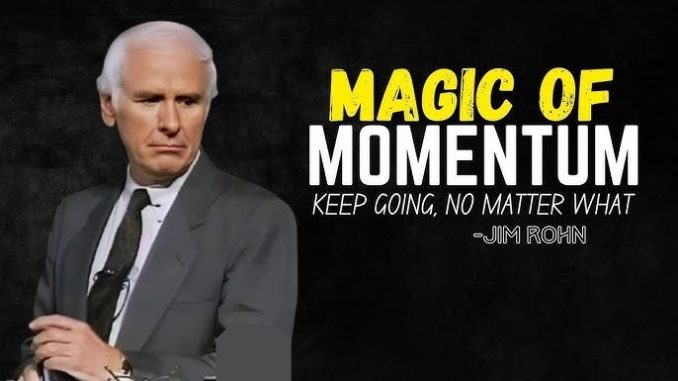
Momentum in business is a curious force. It’s intangible, yet unmistakable. When it’s present, everything seems to move with ease—ideas flow, teams align, progress accelerates. But when it fades, even the simplest tasks feel uphill. The magic of momentum lies in its ability to compound small wins into big breakthroughs, to turn effort into energy, and to transform potential into performance. Keeping it going, however, requires more than enthusiasm. It demands intention, rhythm, and a deep understanding of what fuels progress.
Momentum often begins with clarity. When a team knows exactly what it’s working toward and why it matters, energy naturally builds. People rally around purpose, and that shared focus creates alignment. But clarity isn’t a one-time achievement—it’s a discipline. It must be reinforced through communication, revisited in strategy sessions, and reflected in daily decisions. A business that loses sight of its goals quickly loses momentum. The vision becomes blurred, priorities scatter, and progress stalls. Leaders who keep the mission visible and relevant help maintain the forward motion that momentum depends on.
Consistency is another key ingredient. Momentum thrives on rhythm. It’s not about dramatic leaps, but about steady strides. When teams develop habits that support progress—regular check-ins, clear workflows, timely feedback—they create a cadence that sustains energy. This doesn’t mean rigid routines. It means dependable structures that allow creativity to flourish without chaos. A marketing team that publishes content on a predictable schedule, iterates based on performance, and collaborates seamlessly builds trust in the process. That trust fuels confidence, and confidence feeds momentum.
Celebrating progress is essential. Wins, no matter how small, deserve recognition. They validate effort, reinforce direction, and boost morale. When people see that their work is making a difference, they’re more likely to stay engaged. This doesn’t require elaborate ceremonies or grand gestures. A simple acknowledgment, a shared moment of appreciation, or a visible metric of success can be enough. The point is to make progress visible and meaningful. In doing so, businesses create a culture where momentum is not just felt—it’s honored.
Adaptability plays a subtle but powerful role. Momentum doesn’t mean charging ahead blindly. It means moving forward with awareness and agility. Markets shift, challenges arise, and assumptions get tested. Businesses that cling rigidly to their initial plans risk derailing their own progress. But those that adjust course thoughtfully maintain their stride. A product team that listens to user feedback and refines its roadmap isn’t losing momentum—it’s evolving it. Flexibility, when paired with focus, becomes a strategic advantage.
Leadership is the engine behind sustained momentum. Leaders set the tone, model the pace, and remove obstacles. Their presence and decisions shape how teams respond to pressure, uncertainty, and opportunity. A leader who communicates clearly, supports autonomy, and stays attuned to team dynamics creates an environment where momentum can flourish. Conversely, inconsistent direction, micromanagement, or lack of engagement can quickly sap energy. Leadership isn’t just about steering—it’s about fueling.
Momentum also depends on emotional engagement. People don’t move because they’re told to—they move because they care. When employees feel connected to the mission, valued in their roles, and supported in their growth, they bring more than effort—they bring heart. That emotional investment amplifies momentum. It turns tasks into contributions and goals into shared aspirations. Businesses that nurture this connection through meaningful work, inclusive culture, and genuine appreciation tap into a deeper source of energy.
Technology can support momentum, but it must be used wisely. Tools that streamline communication, automate routine tasks, and provide real-time insights can accelerate progress. But technology should enhance human capability, not replace it. Overcomplicated systems, excessive notifications, or poorly integrated platforms can create friction. The goal is to reduce drag, not add it. When technology is aligned with workflow and purpose, it becomes a catalyst for momentum.
Momentum is also about resilience. It’s easy to stay energized when things are going well. The real test is how a business responds when momentum falters. Setbacks, delays, and disappointments are inevitable. What matters is the ability to regroup, refocus, and reignite. This requires reflection, honesty, and sometimes a reset. A team that pauses to learn from a failed campaign, recalibrates its strategy, and recommits to the goal demonstrates the kind of resilience that keeps momentum alive. It’s not about avoiding failure—it’s about moving through it.
Ultimately, the magic of momentum lies in its cumulative power. It’s built through clarity, sustained through consistency, and amplified by connection. It turns effort into acceleration and transforms good intentions into real impact. Businesses that understand this don’t just chase momentum—they cultivate it. They create environments where progress is not just possible, but inevitable. And in doing so, they unlock a kind of magic that doesn’t fade—it grows.