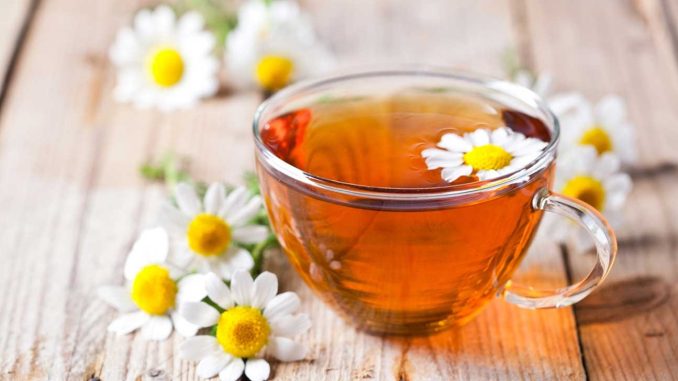
Herbal teas have long been valued across cultures not only for their soothing qualities but also for the health benefits they can bring to daily life. Unlike traditional black or green tea, many herbal teas are caffeine-free and made from a variety of plants, roots, flowers, and seeds, each with its own unique properties. They can be used to calm the nervous system, aid digestion, support immunity, or simply provide a comforting ritual in the midst of a busy day. For professionals who often rely on coffee to keep up with demanding schedules, herbal teas offer an alternative that supports health while still delivering warmth, focus, and a sense of grounding.
One of the best-known herbal teas for daily health is chamomile. Chamomile has natural calming effects, thanks to compounds that interact with receptors in the brain to promote relaxation and better sleep. Drinking chamomile tea in the evening can help transition the body into rest mode, which is particularly beneficial for people whose minds are still racing after long workdays. Adequate rest is directly tied to performance, so a simple cup of chamomile before bed can serve as a small but meaningful investment in productivity and mental clarity for the following day. It highlights how herbal teas are not just about flavor but about supporting the rhythms of the body in practical, tangible ways.
Peppermint tea is another option that demonstrates the functional benefits of herbs. Known for its refreshing taste, peppermint supports digestion and can relieve symptoms like bloating or indigestion. This makes it especially useful after heavy meals or during the middle of the workday when sitting for long hours can slow the digestive process. A cup of peppermint tea can ease discomfort and bring renewed energy, allowing focus to return to tasks at hand. In a sense, it operates like a reset button, clearing distractions so that attention can shift back to meaningful work. For busy professionals, this kind of small support can make a noticeable difference in how the body feels throughout the day.
Ginger tea deserves equal recognition for its health benefits. Rich in anti-inflammatory compounds, ginger helps support the immune system, ease nausea, and improve circulation. It is especially helpful during colder months or flu season, when resilience matters most. Drinking ginger tea regularly can not only provide warmth but also create a protective layer of wellness against seasonal challenges. Its stimulating yet non-caffeinated qualities also make it an excellent morning or mid-afternoon choice for those who want energy without the jitters associated with coffee. Professionals who seek sharper focus without overstimulation may find ginger tea to be a reliable ally in maintaining balance.
Another popular herbal tea for daily wellness is rooibos, a red tea native to South Africa. Naturally caffeine-free, rooibos is packed with antioxidants that help combat oxidative stress and support heart health. Its smooth, slightly sweet flavor makes it easy to drink consistently, and it can be enjoyed both hot and iced. Rooibos demonstrates that herbal teas can provide benefits that extend beyond immediate relief, contributing to long-term wellness when incorporated into daily routines. For professionals thinking in terms of sustainability, rooibos reflects the principle of steady, consistent investment—small daily actions that build toward healthier outcomes over time.
Lemon balm tea is another herb with powerful calming properties. Often overlooked, lemon balm belongs to the mint family and has been shown to reduce stress, ease anxiety, and improve sleep quality. For individuals navigating high-pressure environments, even minor adjustments that reduce tension can yield significant benefits. A cup of lemon balm tea in the afternoon or evening offers a natural way to signal to the body that it is time to slow down. This kind of ritual is not only soothing but also reinforces healthier stress management patterns, which ripple into greater resilience at work and at home.
Turmeric tea, often combined with black pepper and other spices, adds another layer of health support. Its active compound, curcumin, is known for its potent anti-inflammatory and antioxidant properties. Consumed regularly, turmeric tea may help reduce joint stiffness, support immune defenses, and even improve mood. For professionals dealing with long hours at desks or the physical strain of travel, turmeric tea can be a gentle but consistent tool for keeping the body in balance. Its earthy flavor may take some getting used to, but it serves as a reminder that wellness often comes from embracing natural, nourishing sources.
What ties all these herbal teas together is their ability to transform daily routines into moments of intentional care. Drinking tea is as much about the ritual as it is about the health benefits. Taking a few minutes to brew and sip a warm cup encourages slowing down, practicing mindfulness, and reconnecting with the body. This pause can be particularly valuable in the middle of demanding days, creating space for reflection and recalibration. For professionals who thrive on efficiency, these intentional breaks may feel counterintuitive, yet they often lead to sharper thinking and improved energy upon returning to work.
Ultimately, the best herbal teas for daily health are not about magic solutions but about consistent support for the body’s natural systems. Chamomile promotes rest, peppermint aids digestion, ginger strengthens immunity, rooibos provides antioxidants, lemon balm reduces stress, and turmeric calms inflammation. Incorporating these into daily life offers a practical and enjoyable way to nurture health without complication. Much like in business, where small habits accumulate into meaningful results, the steady practice of drinking herbal teas builds resilience, clarity, and long-term wellness. In this sense, a simple cup of tea becomes more than a beverage—it becomes a daily act of care that sustains both body and mind.
Would you like me to also prepare a shorter 400–500 word version of this article that you could share in newsletters or as a quick professional wellness insight on LinkedIn?