Hydration is often reduced to the simple advice of drinking eight glasses of water a day, but in reality, the way the body absorbs and retains fluids is far more complex. For professionals who spend long hours in offices, travel frequently, or juggle demanding schedules, hydration plays a crucial role not only in physical health but also in mental performance and resilience. While water remains essential, it is not the only way to keep the body properly hydrated. A broader view of hydration reveals that food, lifestyle habits, and even certain mindful choices can contribute significantly to maintaining balance, sometimes even more effectively than plain water alone.
The human body relies on hydration for everything from regulating temperature to supporting brain function. Dehydration, even at mild levels, can impair focus, decision-making, and energy—qualities professionals depend on throughout the day. Yet many people find themselves drinking water without noticing the results they expect. They may still feel sluggish, experience headaches, or struggle with concentration. This disconnect often stems from the fact that hydration is not just about fluid intake, but also about electrolyte balance and how well the body retains and uses what it consumes. When hydration strategies go beyond water, they align more closely with the body’s actual needs.
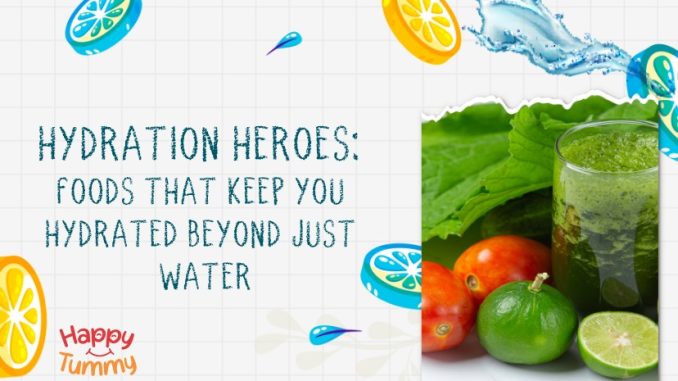
One way to enhance hydration is through food. Many fruits and vegetables contain high percentages of water, often paired with electrolytes and nutrients that help the body absorb fluids more efficiently. For example, cucumbers, oranges, and watermelon are not only refreshing but provide natural sugars, vitamins, and minerals that support cellular hydration. Professionals who incorporate these foods into snacks or lunches benefit from steady hydration without relying exclusively on refilling a water bottle. In fast-paced business environments where time is limited, simply adding hydrating foods to meals can provide both nourishment and balance, supporting productivity without requiring extra effort.
Electrolytes also play a critical role in maintaining hydration. Sodium, potassium, magnesium, and calcium are the key minerals that regulate fluid balance in the body. When these are depleted—often through sweating during exercise, long commutes in hot weather, or even extended hours in climate-controlled office spaces—water alone may not fully restore hydration. This is why athletes often turn to electrolyte drinks. For professionals, the solution can be simpler: a banana for potassium, a handful of nuts for magnesium, or a pinch of sea salt added to meals. These small adjustments help ensure that fluids stay within cells where they are needed most, rather than being flushed out too quickly.
Hydration can also be supported through beverages beyond water. Herbal teas, for instance, offer fluid intake along with calming or invigorating effects depending on the blend. Green tea provides antioxidants with a light energy boost, while chamomile can soothe and reduce stress. Even coffee, often criticized for its diuretic properties, contributes to daily hydration when consumed in moderation. The key is balance—using these beverages to complement water intake rather than replace it. For many professionals, the ritual of tea or coffee is as important as the beverage itself, creating moments of pause that combine hydration with mindfulness.
It is equally important to recognize the role of daily rhythms in hydration. Just as businesses thrive on structure, so does the body. Drinking a large amount of water in one sitting is less effective than consistent intake throughout the day. Spacing hydration alongside meals and activities allows the body to absorb and use fluids more efficiently. Professionals who begin their day with a glass of water, include hydrating foods in lunch, sip tea during afternoon meetings, and ensure balanced fluids at dinner establish a rhythm that sustains energy and focus. In contrast, waiting until thirst is overwhelming often signals that the body is already behind on its needs.
Environmental factors also influence hydration needs, and many professionals underestimate their impact. Air-conditioned offices, long flights, and heated conference rooms all dry out the body more than people realize. This makes hydration strategies particularly important for frequent travelers and those in high-demand corporate roles. Carrying hydrating snacks, choosing meals with fluid-rich ingredients, or even using electrolyte tablets in water bottles during long flights can offset these hidden drains. Being proactive in these settings prevents the fatigue and cognitive decline that often accompany unnoticed dehydration.
Another dimension of hydration is the mind-body connection. Stress, common in business environments, increases cortisol levels, which in turn affect how the body manages fluids. Chronic stress can lead to dehydration because it changes the body’s ability to retain water and balance electrolytes. Mindful practices such as deep breathing or meditation indirectly support hydration by calming the nervous system and reducing unnecessary fluid loss. Professionals who take time to pause during hectic days not only relieve mental strain but also improve their body’s efficiency in using the fluids they consume.
Ultimately, hydrating beyond just water is about understanding that the body’s needs are multifaceted. Water remains fundamental, but it is part of a larger picture that includes nutrition, minerals, environmental awareness, and lifestyle balance. Professionals who approach hydration with this holistic mindset often find they perform better, feel more energized, and recover more quickly from stressors. Hydration ceases to be a mechanical task of sipping water and instead becomes a seamless part of a sustainable routine.
By broadening the approach, hydration can support not only physical health but also professional performance. Just as successful businesses integrate multiple strategies to achieve stability, individuals thrive when they view hydration as more than a single habit. It becomes a network of supportive practices—from choosing water-rich foods and balancing electrolytes to recognizing the influence of stress and environment—that together create resilience. In this way, hydrating beyond water becomes less about following rules and more about cultivating awareness, helping professionals maintain the clarity and energy they need to excel.