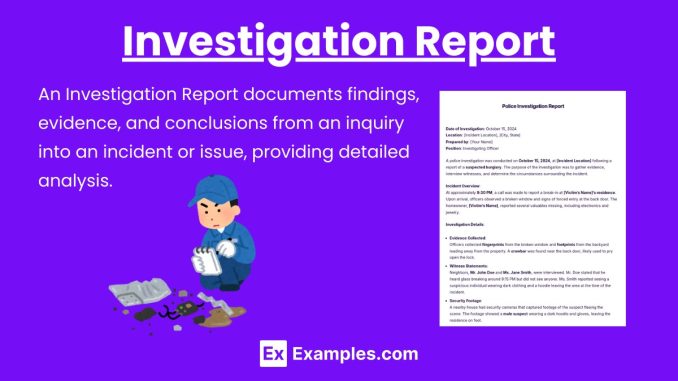
Filing an insurance claim is often a moment of vulnerability. Whether it’s the aftermath of a car accident, a property loss, or a health emergency, the claim represents a request for support during a time of disruption. But once the claim is submitted, the process doesn’t always move in a straight line. In many cases, especially when the claim is substantial or raises red flags, insurers initiate a post-claim investigation. This step is designed to verify the legitimacy of the claim, assess the extent of the loss, and ensure that the policy terms are being applied correctly. For the claimant, preparing for this investigation is not just about compliance—it’s about clarity, credibility, and confidence.
The first step in preparing for a post-claim investigation is understanding why it’s happening. Insurers are obligated to protect themselves and their policyholders from fraud, misrepresentation, and errors. Investigations are not accusations; they’re part of due diligence. That said, the process can feel intrusive, especially if you’re not expecting it. Knowing that investigations are standard practice for certain types of claims—such as those involving large payouts, unusual circumstances, or inconsistent documentation—can help you approach the situation with a level head. The goal is not to catch you off guard but to ensure that the claim is handled fairly and accurately.
Documentation becomes your best ally during this phase. The more organized and complete your records are, the smoother the investigation will be. This includes receipts, photographs, repair estimates, medical reports, police records, and any correspondence related to the incident. For example, if you’re claiming damage to your home after a storm, having timestamped photos of the damage, contractor quotes, and weather reports can substantiate your case. If it’s a health insurance claim, detailed medical records and billing statements will help clarify the nature and cost of treatment. The key is to present a coherent narrative supported by evidence, rather than relying on memory or assumptions.
Communication also plays a critical role. Investigators may reach out with questions, requests for additional information, or interviews. Responding promptly and professionally helps build trust and demonstrates your willingness to cooperate. Avoid being defensive or evasive, even if the questions seem repetitive or probing. Remember, the investigator is trying to piece together a complete picture, and your input is essential. If you’re unsure about a question or need time to gather information, it’s perfectly acceptable to ask for clarification or a brief extension. Transparency and respect go a long way in maintaining a constructive dialogue.
Legal and contractual awareness is another important aspect of preparation. Review your policy carefully to understand what is covered, what exclusions apply, and what obligations you have as a claimant. Policies often contain clauses about timely reporting, cooperation during investigations, and the provision of supporting documents. Failing to meet these requirements can jeopardize your claim, even if the loss itself is legitimate. If the language is unclear or you’re unsure about your rights, consider consulting with an insurance advisor or attorney. Their expertise can help you navigate the process and avoid missteps that could delay or derail your claim.
In some cases, insurers may bring in third-party experts—such as forensic analysts, medical consultants, or engineers—to assess the claim. This can feel intimidating, especially if the findings differ from your own understanding of the situation. It’s important to remember that these experts are not adversaries; they’re part of the verification process. If you disagree with their conclusions, you have the right to present counter-evidence or request a second opinion. The investigation is not a final judgment but a step toward resolution, and your voice matters in shaping the outcome.
Emotional readiness is often overlooked but equally vital. A post-claim investigation can be stressful, especially if you’re dealing with the aftermath of a traumatic event. The process may reopen wounds, stir frustration, or create anxiety about financial stability. Preparing emotionally means setting realistic expectations, seeking support when needed, and maintaining perspective. The investigation is not a reflection of your character—it’s a procedural step designed to protect all parties involved. Keeping this in mind can help you stay grounded and focused, even when the process feels burdensome.
Technology can also aid your preparation. Many insurers offer online portals where you can upload documents, track the status of your claim, and communicate with adjusters. Using these tools efficiently can streamline the process and reduce misunderstandings. Digital records are easier to organize and share, and they create a clear trail of communication. If your insurer doesn’t offer such tools, consider creating your own system—using folders, spreadsheets, or cloud storage—to keep everything accessible and secure.
Ultimately, preparing for a post-claim investigation is about being proactive rather than reactive. It’s about understanding the process, gathering the right information, and engaging with professionalism and patience. While the investigation may feel like an obstacle, it’s actually a safeguard—one that ensures claims are paid fairly, fraud is prevented, and the integrity of the insurance system is maintained. By approaching it with diligence and clarity, you not only protect your own interests but also contribute to a more transparent and trustworthy insurance environment.